08 February 2015

Is Mold Exposure The Cause of Your Symptoms?


Are you one of the many people unknowingly living or working in water damaged building? Did you know it may be dramatically affecting your health? It's estimated that indoor air pollutants, including mold and mycotoxins may be contributing to more than 50% of our patient's illnesses. Typically we think of smog, smoke, and outdoor pollution as detrimental to our health but indoor air quality may be an even bigger risk to your health. Many patients are unaware that a toxic home or workplace is contributing to their symptoms.

Exposure to water-damaged indoor environments is associated with exposure to molds. The most common types of mold that are found indoors include Cladosporium, Penicillium, Alternaria, and Aspergillus. Stachybotrys chartarum (sometimes referred to as "toxic black mold") is a greenish-black mold, which grows on household surfaces that have high cellulose content, such as wood, fiberboard, gypsum board, paper, dust, and lint and is usually an indicator that there has been elevated moisture present or previous water damage.

Some molds secrete mycotoxins, that can be measured in the urine, such as ochratoxin, aflatoxin, and trichothecenes. Exposure to mold and mold components is well known to trigger inflammation, allergies and asthma, oxidative stress, and immune dysfunction in both human and animal studies. Mold spores, fungal fragments, and mycotoxins can be measured in the indoor environments of moldy buildings and in humans who are exposed to these environments. Most of the time, we are exposed to molds, like stachybotrys, through the skin contact, through ingestion, and by inhalation. Most common are reports of exposure involve water-damaged homes, schools, office buildings, court houses, hospitals, and hotels. It's estimated that as many as 25% of buildings in the US have had some sort of water damage. Molds have the ability to produce various symptoms, such as skin rashes, respiratory distress, various types of inflammation, cognitive issues, neurological symptoms, and immune suppression. The most common symptoms associated with mold exposure are allergic rhinitis and new onset asthma.

How do you know if you've been exposed to mold or mycotoxins?

Top Symptoms Associated with Mycotoxin-Associated Illness:

  • Fatigue and weakness
  • Headache, light sensitivity
  • Poor memory, difficult word finding
  • Difficulty concentration
  • Morning stiffness, joint pain
  • Unusual skin sensations, tingling and numbness
  • Shortness of breath, sinus congestion or chronic cough
  • Appetite swings, body temperature regulation,
  • Increased urinary frequency or increased thirst
  • Red eyes, blurred vision, sweats, mood swings, sharp pains
  • Abdominal pain, diarrhea, bloating
  • Tearing, disorientation, metallic taste in mouth
  • Static shocks
  • Vertigo, feeling lightheaded

Checklist that might indicate mold exposure or mold sensitivity (from ECH website)

  • Do musty odors bother you?
  • Have you worked or lived in a building where the air vents or ceiling tiles were discolored?
  • Have you noticed water damage or discoloration elsewhere?
  • Has your home been flooded?
  • Have you had leaks in the roof?
  • Do you experience unusual shortness of breath?
  • Do you experience recurring sinus infections?
  • Do you experience recurring respiratory infections and coughing?
  • Do you have frequent flu-like symptoms?
  • Do your symptoms worsen on rainy days?
  • Do you have frequent headaches?
  • Are you fatigued and have a skin rashes?

How do I Treat Mold/mycotoxin Exposure?

  1. Remove yourself from the contaminated environment (don't even think about going on to other treatments until you get out of the contaminated environment)
  2. Avoid exposure to porous items (paper, clothing, etc) from the moldy environment.
  3. Use clay, charcoal, cholestyramine or other binders to bind internal mycotoxins
  4. While you are using binders, you must maintain normal bowel function and avoid constipation. You can add magnesium citrate, buffered C powder, or even gentle laxatives if needed but constipation is the enemy of detoxification!
  5. Treat colonizing molds/fungal infections in the body
  6. Common locations of colonization include sinuses, gut, bladder, vagina, lungs
  7. Test and treat for candida overgrowth - living in an environment with mold leads to immune dysregulation that allows candida to overgrow in the body
  8. Enhance detoxification support
    1. Some common supplements used to aid detox are liposomal glutathione, milk thistle, n-acetylcysteine, alpha lipoid acid, glycine, glutamine, and taurine. Methylation support is also key and involves optimal levels of methylcobalamin (B12), methyl-folate, B6, riboflavin, and minerals
  9. Invest in a high quality air filter and home and at work, like Austin Air or EL Faust
  10. Avoid common mycotoxin containing foods:
    1. Corn, wheat, barley, rye, peanuts, sorghum, cottonseed, some cheeses, and alcoholic beverages such as wine and beer. Others include oats, rice, tree nuts pistachios, brazil nuts, chiles, oil seeds, spices, black pepper, dried fruits, figs, coffee, cocoa, beans, bread.

Other Treatment Options

  • Follow Dr. Jill's Low Mold Diet - many patients to well on a paleo, grain-free diet since grains are often contaminated with mycotoxins and molds
  • Sublingual immunotherapy (SLIT)
  • Anti-fungal herbs and medications
  • Infared sauna
  • Detoxification support - oral and IV
  • Remediation procedures for environment and belongings
  • Create a "safe" place, with little potential for mold/allergens and great filtration system - this could be a bedroom or other room that is mold and chemical free
  • Some patients benefit from IV immunoglobulin therapy (IVIg)

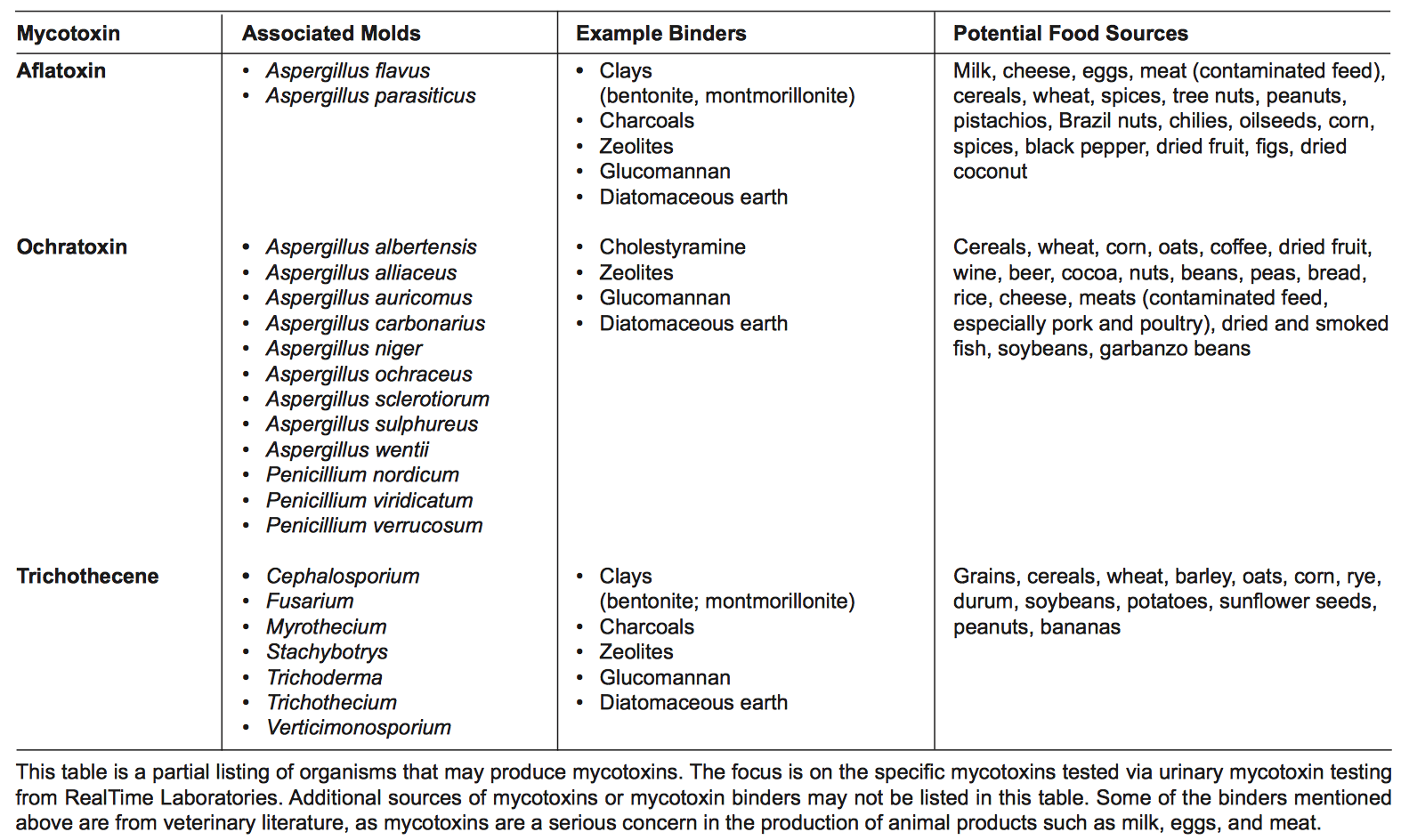
Chart from article in Townsend Letter July 2014 that explains sources and binders for common mycotoxins:

More Helpful Resources:

  1. Guidance for Clinicians on the Recognition and Management of Health Effects Related to Mold Exposure and Moisture Indoors
  2. A Review of the Mechanism of Injury and Treatment Approaches for Illness Resulting from Exposure to Water-Damaged Buildings, Mold, and Mycotoxins
  3. Chronic Inflammatory Response Syndrome - Dr. Berndtson
  4. Slide Presentation on Mold Toxicity
  5. Paradigm Change - information on role of mold toxins in Chronic Neuroimmune Disease
  6. Real Time Labs - Urinary Mycotoxin Testing
  7. Fungal spore DNA detectible in tissue and body fluids of patients exposed to moldy buildings
  8. Stachybotrys chartarum: Review of Toxicology Literature

18 January 2015

Ten Tips to Protect Your Body from Toxic Chemicals


  1. Don't put anything on your skin you wouldn't eat! Avoid mainstream consumer skin care, cosmetics and personal care products, period! Need soap? Try natural brands like Dr Bronner's, Mrs. Meyers, Watkins or Nubain Heritage.
  2. Don't eat foods made with chemicals you can't pronounce. Read the ingredients labels. If the list of ingredients is too long and complex to figure out, it's probably made more with chemicals than actual food.
  3. Don't use unnecessary over-the-counter drugs or prescriptions. If you do need to use medication for short-term emergency use, be sure to detoxify your liver afterwards. I recommend Milk Thistle 250mg twice daily to protect the liver.
  4. Drink more water. Most people simply don't consume enough water to effectively remove toxins from their bodies. If you don't like water by itself, add sliced lemon, lime or cucumber to a pitcher of water and enjoy.
  5. Cleanse your body with parsley, chlorella or activated charcoal. All these substances can help cleanse your body and eliminate toxic substances that may be detrimental to your health. I use a bunch of parsley in my smoothie every day. I also use activated charcoal when traveling or if I'm exposed to food that may not be the safest.
  6. Don't use products that off-gas toxic chemicals in your home. Air fresheners, perfumed candles, particle board furniture, carpets, glues, etc. Get a high quality air filter to run 24/7 in your home, like mine from Austin Air
  7. Don't use non-stick cookware. These are the worst! Although they are very convenient to use and clean it emits toxic fumes when overheated. Invest in quality copper-clad stainless steel pans or cast-iron. You can also use ceramic coated ones, like this from Orgreenics. They last a lifetime and they don't contaminate your body with chemicals.
  8. Buy certified organic products. The USDA Organic Seal is a trusted seal that genuinely indicates organic quality (both in foods and personal care products). Don't be fooled by brand names that use the word "organics" in their name but aren't really organic. For example, "Joe-Bob's Organics" may or may not actually be organic.
  9. Get the chemical out of your laundry! Stop washing your clothes in toxic brand-name laundry detergents and fabric softeners or dryer sheets. It is astounding what chemicals these can contain. I prefer simple homemade detergents like this one from Wellness Mama.
  10. Do a 14-21 day detox least once a year. You can do this with a modified fast (eliminate gluten, dairy, egg, soy, corn, sugar, alcohol) combined with detox support. I routinely recommend using the delicious chocolate shake, Thorne Mediclear SGS to accomplish this. For a complete guide to your personalized detox, click here. You can order Mediclear at Thorne.com using code: HCP1004064

Stay healthy by staying informed. For more visit http://www.ewg.org/

If you liked this post subscribe to my free newsletter today and receive a complimentary copy of Dr. Jill's Paleolicious Snack Ideas!

01 January 2015

Eight Keys for Healthier Food Choices in the New Year


Start where you are and proceed step by step toward the goal. Follow these overall guidelines:

  1. Read the label before buying anything. The best indicators of how highly processed a food is can actually be found in the list of ingredients. If what you are buying contains more than 5 ingredients and includes a lot of unfamiliar, unpronounceable items you should reconsider before buying. Avoid packaged and processed foods - don't buy anything in a box, bag or can.
  2. Eliminate partially hydrogenated oils and trans fats from your diet. These have no nutritional value and serve no purpose other than to derail your health. Keep in mind that certain products that actual contain trans fat (like the chocolate chip cookie dough you can buy pre-made) can get away with listing 0 grams of trans fat on the label as long as the amount per serving is under 1 gram. Don't be fooled!
  3. Don't use coupons! Yep, you heard me.... cheap food is usually just that, cheap! When was the last time you saw a coupon for a organic avocado? or for organic eggs or beef? That majority of coupons are distributed for big box manufacturers, like Kraft and Kellogg so you'll often be forced into buying boxed, packaged and highly processed food thinking you're saving money. Just don't! Instead buy from local farmers or in bulk and you still save money and avoid those "deals" that are detrimental to your health. If you do happen to find the rare coupon for whole foods, by all means use them!
  4. Avoid eating at fast food restaurants. Instead plan ahead and bring a home-cooked meal or healthy whole food snack with you. Learn to cook at home with real whole food ingredients. If you really want to be in optimal shape and your best health in 2015, there is just no getting around the fact that you must learn to prepare food at home.
  5. Dump the sugar and high starchy foods (crackers, potatoes, rice, scones, cookies, etc.). Sugar is the most inflammatory thing that we consume and most of us consume far too much. Recent studies showed sugar addiction to be a more powerful stimulator of dopamine reward pathways than cocaine! While it's hard at first, going through a sugar detox will free you from the need to eat every hour or two to keep blood sugar stable and will give you mastery and control over your food choices since you're not following cravings.
  6. Use healthy low-glycemic fruits to satisfy sweet cravings. You can make some delicious desserts in a healthy way to satisfy a sweet craving. Some of your best options are fresh or frozen organic berries, green apples, or a fresh fig. Try my delicious recipes for Chocolate Avocado Pudding and No Bake Vitality Treats if you need a start...
  7. Eat 4-5 servings of non-starchy vegetables daily. Best bets are cruciferous vegetables, like cabbage, broccoli, cauliflower, and leafy greens. If you don't like them steamed, broiled or raw, try a green smoothie drink with lots of spinach or kale - it's delicious! Here's a great Green Smoothie you might enjoy. Be sure to add fiber, too, like chia seed, psyllium or flax to your meals, smoothies, veggies. Fiber is filling, good for healthy bowel function and aids in producing short chain fatty acids (SCFAs) to feed your good bacteria.
  8. “Eat all the junk food you want as long as you cook it yourself, ” to quote Michael Pollan. If you have to peel, chop and deep fry potatoes every time you wanted French fries then you might not eat them very often. Eating “junk food” such as cakes, sweets, and fried foods only as often as you are willing to make them yourself will automatically reduce your consumption.

21 December 2014

5 Tips to Safely Celebrate When You Have Food Allergies


Gathering with family is an important part of the holidays for most of us. If you suffer from food allergies or eat a restricted diet due to a health conditions, it can be especially tricky to navigate. I'm putting together a short list of tips and tricks to get through it safely and make sure you still have a wonderful family get-together!

Here's my top tips for celebrating with family if you have some dietary restrictions.

  1. Talk to the host prior to the event - Ask ahead of time what is on the menu and if the host would like you to bring something. If possible you might ask them to prepare the main course in a way that fits your dietary needs. You should also figure out if there will be enough dishes that you can eat to fill you or if you will need to bring your own food. By all means, do offer to bring a dish or two that you know you can eat and then share the love with everyone! I'm always tickled if family raves over my grain-free paleo-style dishes.
  2. Know what it's swimming in - I've found that most of the common food allergens come in the sauces, dressings or marinades. These culprits frequently contain gluten, dairy, egg, soy, or sugar. You may ask the host to hold aside a portion of undressed salad or fix your piece of chicken or fish with no marinade or sauce. I usually ask for olive oil, salt and garlic ...It's delicious every time and I know I'm not getting any hidden gluten or dairy in the sauce.
  3. Send a package ahead of you - if you're traveling to an area where there is no Whole Foods or natural grocery nearby to accessorize your diet, you can often ship ahead a small box of essentials. You can either pack them yourself or you can use a service, like Amazon or Vitacost and have them ship the necessary items. I frequently do this with non-perishables, like coconut milk, sunflower nut butter, chia seed, and high quality coconut or olive oils. Plus you can leave any of the gourmet leftover items with your host to enjoy! Better yet, order enough to get free shipping and include a hostess gift of some special gourmet food item that he/she cannot purchase locally. Organic dark chocolate or specialty cooking oils are a wonderful gift idea!
  4. Don't go hungry - When we are hungry our brains may bypass the filter of what we know to be a better choice. We'll often we end up eating too much and pick foods that we'd normally avoid. This is why I vow never take my husband grocery shopping on an empty stomach... you just never know what will make it's way into your shopping cart! ;-) Eat a small protein snack prior to heading out, like nuts/seeds, guacamole or jerky. If you know there will not be any safe options, it's ok to eat your entire meal before you go and just enjoy the company and not the food.
  5. BYOBF (Bring your own back-up food) - whether traveling by plane or car or just driving across town for a holiday get-together, you can never go wrong by having a few nonperishable snacks or options with you. You never know when you'll get stranded in the car or in the airport for longer than expected. I carry things like packets of sunflower nut butter, coconut butter and shredded coconut, a piece of fruit, dried organic beef or bison jerky, Alter Eco 85% dark chocolate bar, and/or packets or tins of wild salmon or sardines. I can't tell you how many times I've been stranded somewhere longer than anticipated and hungry and so thankful for my little stash! As the true saying goes, "Fail to plan and plan to fail..."

Wishing you a most delightful and delicious holiday season making many memories with your loved ones!

02 December 2014

The Biology of Food Addiction


The Calorie Hypothesis
Current view: Obesity is just lack of will power ...eat less, exercise more

This model fails because:

  1. Our body's wise compensatory mechanisms defend against weight loss by decreasing energy expenditure and increasing appetite as we diet
  2. High glycemic carbohydrates (like added refined sugars, sugar-sweetened beverages, refined grains, and starches) light up the nucleus accumbent - the brain's addiction center - promoting compulsive overeating of processed high glycemic foods
  3. Multiple other factors actually regulate metabolism: dietary composition, gut microbiome, toxic exposures, infections, allergens, nutrient status, mitochondrial dysfunction, and imbalance of hormones and neurotransmitters.
"Caloric-restricte traditional "diets" exacerbate metabolic dysfunction and actually lead to OVEREATING over the long-term"

A more accurate view...

  1. Poor diet quality, not calories is drive of obesity
  2. All calories not created equal
  3. Food is more than calories... it is information that programs genetic expression and changes metabolic state
  4. Diets don't work because they are not addressing fundamental drivers of excess caloric intake: physiologic addiction to refined carbs and sugar! 

Sugar is eight times more addictive than cocaine!


Experimental research reveals a commonality between addition to sugar and cocaine.
  • Both sweet taste and drugs of abuse, such as cocaine, stimulate release of dopamine in ventral stratum, critical in the process of reward-processing and learning
  • Cross-tolerance and dependance are seen in both sugar consumption and drugs of abuse. This means that over time it takes more and more of each to get the desired effect.
  • In one study, rats preferred saccharin over IV cocaine. In another, they chose sucrose over cocaine.

Compulsive Overeating Can Resemble Drug Addiction

Visceral Fat is "hungry" and may drive overeating behavior

  • Visceral fat is fat that is stored around your organs
  • These visceral fat cells are metabolically active and suck fuel out of your blood stream, making you eat more!
  • They secrete hormones and cytokines that promote weight gain and inflammation
    • Hormones such as adiponectin, insulin, resisting, leptin and MSH
    • Cytokines such as IL-6, TNF-alpha, and other pro-inflammatory molecules
  • Insulin release surges in response to high glycemic foods, creating more inflammation and obesity-promoting metabolism, more visceral fat storage = vicious cycle

Dietary composition more important than calories...

  • In this large European study, increase in protein content and a reduction in the glycemic index led to an improvement in study completion and maintenance of weight loss.
  • Another study shows a low-glycemic diet higher in fat and protein improves metabolic rate and energy.
  • Mice fed high-GI diet had almost twice the body fat of those on the low-GI diet after 9 weeks.
  • Athletes on ketogenic, high-fat diet had better performance, less fatigue

Bottom line: Latest research indicates that sugar consumption is an independent risk factor for many, if not ALL, chronic disease.


Do you need more reasons to stop eating sugar now?

Here are my recommendations for optimal health and weight:

  1. Quality of foods is essential... low glycemic load, high micronutrient and phytonutrient and fiber content = eat a rainbow of colors in your foods.
  2. Choose organic, pastured meats and wild fish
  3. Eat more vegetables and low-glycemic fruits, like berries and green apples
  4. Avoid all packages, processed foods - if it has more than 3-4 ingredients don't buy it!
  5. Limit high glycemic starchy foods, like white potatoes and white rice
  6. Eliminate gluten if you're sensitive and avoid ALL refined processed grains
  7. Avoid all hydrogenated and trans fats. Use organic butter, ghee, coconut oil, olive oil, avocado and other healthy fats freely
  8. Avoid genetically modified foods, like corn, soy, canola.

If you liked this post subscribe to my free newsletter today and receive a complimentary copy of Dr. Jill's Paleolicious Snack Ideas!

18 November 2014

Fifteen Facts to Fight Flu Naturally

Flu season is just around the corner and there are many ways to enhance your immune system naturally! Don't let the headlines scare you... your amazing body was built to fight off infections and if you treat it well...  You are NOT destined to get influenza.   I believe for most individuals, there are better ways than a formeldehyde-laden vaccine to enhance your own immune fighting capabilities naturally.


Dr. Jill's Fifteen Tips for Enhancing Immune System Naturally:

  1. Hydration - drink plenty of pure filtered water every day. This is especially important if you are flighting the flu. I recommend drinking up to 80% of your body weight (in pounds) of water (in ounces)
  2. Elimination of sugar and processed foods - studies confirm a decrease in immune system's effectiveness within hours of consuming sugar. Get rid of the junk and you are more likely to be able to fight off a viral infection and decrease inflammation. This could be the most important piece of advice you follow to avoid getting the flu.
  3. Elimination of dairy - since many patients suffer from food sensitivity to dairy, it is a good idea to eliminate this food group if you want to avoid symptoms of a cold or influenza. Even though studies have not shown a link between increase mucus production and dairy consumption, I generally see clinical improvement in patients who choose to eliminate milk and cheese.
  4. Sinus irrigation - I recommend the NeilMed sinus irrigation or a nettipot used 1-2 X daily with saline to clear out excess sticky mucous and prevent viruses and a bacteria from adhering. This works amazing for anyone who relies on their voice for occupation, like teachers, professors, singers, etc. It's also good for the rest of us to prevent the bacteria or viruses that cause infection from sticking around. One study showed that daily hypertonic saline nasal irrigation improves sinus-related quality of life, decreases symptoms, and decreases medication use in patients with frequent sinusitis.
  5. Vitamin D3 - This is one of my favorite remedies! You may take 25,000IU daily for 2-3 days in a row at onset of symptoms to knock out a virus. Check with your doctor before using high dose Vitamin D3 if you have sarcoidosis or other autoimmune disease. This dose should not be used long-term but you may safely take 2000IU daily after that. Vitamin D is an important immune system regulator. Serum Vitamin D levels were inversely associated with all-cause mortality from cardiovascular diseases, cancer, and respiratory diseases. The active form of vitamin D has also been shown to inhibit the development of autoimmune diseases, including inflammatory bowel disease (IBD).
  6. Vitamin C - Vitamin C is still a core powerful immune stimulant. Take 4-5 grams daily if you would like to support your immune system during flu season. It has been shown to increase glutathione production in human lymphocytes. In another study, intake of Vitamin C decrease incidence of upper respiratory infections in athletes.
  7. Zinc - Recommended dose is 50-100mg daily. It is clear that zinc affects multiple aspects of the immune system, from the barrier of the skin to gene regulation within white blood cells. Read more here on how zinc is a potent mediator of resistance to infection.
  8. Echinacea - This is a powerful anti-viral that may be used to fight cold or flu. It can be purchased in lozenges, syrup, or capsules. I do not recommend using for more than 2-3 weeks at a time.
  9. Lysine - shown to decrease replication of the herpes simplex virus, I generally recommend 1-2 grams daily for prevention and 4-6 grams daily for treatment
  10. Olive Leaf Extract - For the common cold take either two 500 mg capsules, 4 times per day with meals, or one capsule every hour while awake. Elenolic acid (the active ingredient in olive leaf) has been shown to be a potent inhibitor of a wide spectrum of viruses.
  11. Garlic - One of my favorite all around infection fighters! Use caution if you have sensitivities to sulfur foods or drugs. My favorite form of garlic is the potent Allimed brand, which can be taken for prevention at 1-2 capsules per day. At first sign of infection take 4-6 capsules daily for a period of one week. Relief should be felt within first 24 hours.
  12. Homeopathic Remedies: Boiron Oscillococcinum and FluNada Take as directed - I carry these two with me at ALL times, especially during air travel. Before getting on a plane I always take a vial of Oscillo. You may take 1 vial up to 3 times daily when you start to feel the flu coming on. FluNada may also be used and is equally effective but must be sprayed in the nose or back of throat.
  13. Adequate sleep - During the hours your are sleeping your detox system (liver/kidneys) and your immune system work their hardest. If you are not getting 7-8 hours of sleep, your immune system is depressed and you will be more susceptible to the flu.
  14. Daily exercise - Dr. Jill recommends gentle stretching, yoga, and deep breathing but not strenuous exercise, like running, if you are feeling symptoms of influenza.
  15. Prayer and meditation - need I say more? Gratitude to the Creator is a powerful modulator of health! Regular prayer and meditation may help control stress response and enhance innate immunity.

24 October 2014

How to Heal a Leaky Gut, Part II


Did you miss my first Leaky Gut Article?! Read more here


So now you may be wondering if you have leaky gut...


Food allergies, toxins, sugar, antibiotics, parasites and stress can wreak havoc with your gastrointestinal system, upsetting the balance in your intestine as well as allowing harmful substances to enter the system. Gas, bloating, diarrhea, constipation or abdominal discomfort may be the first clue that something is wrong with the digestive tract, but did you know allergies
or even lack of energy and fatigue can often be traced to digestive problems as well?

Normally the gastrointestinal epithelium provides a semi-permeable barrier with allows nutrients to be absorbed while preventing larger molecules from crossing into the bloodstream. When this lining becomes inflamed or damaged, then the barrier becomes "leaky". The fallout results in larger, undigested food molecules and other “bad stuff” (yeast, toxins, and all other forms of waste) that your body normally doesn’t allow through, to flow freely into your bloodstream.

Causes of increased intestinal hyperpermeability or "leaky gut":

  • Medications (NSAIDS) like ibuprofen and motrin
  • Microbial overgrowth or infection
  • Parasite infections
  • Fungal overgrowth (Candida)
  • Ingestion of allergenic foods
  • Maldigestion/malabsorption (pancreatic insufficieny or low HCl)
  • Radiation therapy or chemotherapy
  • Stress
  • Aging
  • IgA deficiency
  • Chronic alcohol intake
  • Excessive or strenuous exercise
  • Inflammatory bowel disease - Crohn's or Ulcerative colitis
The small and large intestines contains numerous dietary and bacterial products with toxic properties. These include bacteria, bacterial cell wall (LPS), peptides, and bacterial antigens capable of inducing antibodies which may cross-react with human tissues.... when these antibodies react, they may form systemic immune complexes which can circulate and deposit in tissues far away from the gut.

Abnormalities of the gut lining barrier lead to increased uptake of inflammatory molecules and pathogenic bacteria. With inflammation & injury to the gut lininng, mucosal absorption of normally-excluded substances increases dramatically. Intestinal inflammation enhances the uptake and distribution of potentially injurious bacteria and proteins .

Leaky Gut is seen in disorders such as:

  • Inflammatory bowel disease (Crohn's & Colitis)
  • Inflammatory joint disease
  • Food allergy
  • Celiac disease
  • Rheumatoid arthritis
  • Ankylosing spondylitis
  • Reiter’s syndrome
  • Eczema & psoriasis
  • Bipolar, depression and schizophrenia
  • Allergies and asthma
  • Autoimmune thyroiditis
  • Multiple sclerosis
  • Autoimmune liver & gallbladder disease

So how do we test for "Leaky Gut"?

Small molecules (glucose or mannitol) readily penetrate cells and passively diffuse through them. Larger molecules such as lactulose are normally are normally not able to diffuse through the cell. If the tight junctions between the cells are functioning properly, they will prevent the lactulose from leaking through. The Intestinal Permeability Test directly measures the ability these two sugar molecules—mannitol and lactulose—to permeate the intestinal mucosa.

Mannitol is readily absorbed and serves as a marker of transcellular uptake. Lactulose is only slightly absorbed and serves as a marker for mucosal integrity (ability of those "tight junctions" to keep out the bad stuff) The test is a 6 hour urine test that compares ratios of the two substances.

For more info:

Genova Diagnostics Intestinal Permeability Assessment
You will need to contact your functional medicine physician in order to order the test.
Now for some treatment options for this leaky gut!

Nutritional Support

  1. Glutamine, an amino acid, has been shown to reverse intestinal mucosal damage from various insults. Glutamine is the principle fuel used by the upper intestinal tract to repair and heal.
  2. Agents that stimulate protective mucus secretion may also help with the healing. Some common ones I use are marshmallow root extract and deglycyrrhizinated licorice (DGL) extract.
  3. Probiotics are essential! Lactobacillus casei, bifidobacter species, and saccromyces boulardii, a beneficial type of yeast are all important to restore gut health.
  4. Fish oil can be very helpful in the treatment of intestinal inflammation by decreasing inflammatory prostaglandins. EPA and DHA should be used in the range of 2-4gm daily
  5. Quercetin functions as a natural mast cell stabilizer and decrease release of histmine which contributes to inflammation & injury. To be effective, quercetin should be used in powder form and taken 3-6gm daily.
  6. Vitamins A and D are critical to supporting secretory IgA function and restoring the mucosal immune system. Ask your doctor for specific doses...

To Decrease Toxic Load:

  • Eliminate all known foods that you are sensitive to. This can be determined through a comprehensive elimination diet or IgG/IgE food tests on the blood.
  • Avoid alcohol, NSAIDS (ibuprofen, motrin, alleve), and minimize other medications.
  • Bentonite clay is a well-known intestinal adsorbent which absorbs numerous toxins, endotoxins and bacteria. Its value in permeability alterations may result from lowering the toxin load in the lumen, thus facilitating repair. I also frequently recommend Upgraded charcoal tabs for the same purpose.
  • HCI and digestive enzymes such as plant enzymes, pepsin and pancreatin might help to lessen the antigenic load or toxic molecules being presented on the intestinal lining.

Want more great articles? Sign up for my free newsletter here!


Photo courtesy of www.freedigitalphotos.net