04 September 2015

If you know me well, you know one of the highlights of my week is the Farmer's Market in Boulder, Colorado.  Getting my weekly supply of seasonal dark leafy greens and fresh vegetables from local farmer's like Red Wagon Organics for my smoothies and juices and occasionally some of Plowshares organic bacon for my husband is an adventure and something we enjoy doing together on Saturday mornings!
A couple of weeks ago, I ran into Jake Burgart with Olea Estates olive oil, one of my favorite new finds at the local Boulder Farmer's Market.  I bought a bottle right away and was back for more the very next week!  (Yes, I eat that much olive oil!)  Not only was it absolutely pure and delicious but organic extra virgin olive oil is loaded with health benefits!
You can read all about the Chronis family tradition in Greece here.  Even now, they are one of the only few producers that certify our olive oil every year with both the European Regulations for Biological Products and with the USDA for Organic Products. You can taste and see the quality of pure first press olive oil, when you open a bottle of Olea. The deep green color, the thick consistency, the pure aroma, the exquisite taste, all contribute to separate Olea from other olive oils that I've tried.
IMG_9611
Jake Burgart and friend at the Olea Estates Olive oil booth in Boulder on Saturday
"At Olea we do not produce anything but only our extra-virgin olive oil obtained by first press of our ripe and selected olives at temperatures under 27C. We do not blend refined oils and we use no other method of altering our olive quality, taste or color. We do not filter our olive oil, but we do guarantee uniform clarity and no cloudiness. See how we do it. Olea Olive Oil has the true, rich flavor of olive oil and all associated nutrients and is obtained by a strictly controlled and long lasting process, especially for the food connoisseur."
But perhaps the best thing is you can enjoy it freely with a guilt-free conscious as there are so many health effects of a Mediterranean diet rich in olive oil!

Here's just a few of the latest studies on health benefits of olive oil:

So be sure to stop by and tell Jake "hello" from Dr. Jill and get some of this new delicious crop of olives.  Who knows?  You just might run into me there next weekend ;-)

If you liked this post subscribe to my free newsletter today and get a free Paleolicious Snack Guide!


19 July 2015

Diet-induced Changes in the Gut Micro-biome

Diet-Induced Dysbiosis of the Intestinal Microbiota and the Effects on Immunity and Disease

Read full article HERE
Kirsty Brown  †, Daniella DeCoffe  †, Erin Molcan and Deanna L. Gibson  *
Department of Biology, University of British Columbia Okanagan, Kelowna, BC V1V 1V7, Canada;

Abstract

The gastrointestinal (GI) microbiota is the collection of microbes which reside in the GI tract and represents the largest source of non-self antigens in the human body. The GI tract functions as a major immunological organ as it must maintain tolerance to commensal and dietary antigens while remaining responsive to pathogenic stimuli. If this balance is disrupted, inappropriate inflammatory processes can result, leading to host cell damage and/or autoimmunity. Evidence suggests that the composition of the intestinal microbiota can influence susceptibility to chronic disease of the intestinal tract including ulcerative colitis, Crohn’s disease, celiac disease and irritable bowel syndrome, as well as more systemic diseases such as obesity, type 1 diabetes and type 2 diabetes. Interestingly, a considerable shift in diet has coincided with increased incidence of many of these inflammatory diseases. It was originally believed that the composition of the intestinal microbiota was relatively stable from early childhood; however, recent evidence suggests that diet can cause dysbiosis, an alteration in the composition of the microbiota, which could lead to aberrant immune responses. The role of the microbiota and the potential for diet-induced dysbiosis in inflammatory conditions of the GI tract and systemic diseases will be discussed.
Screen Shot 2015-07-17 at 9.41.13 PM

Microbial changes in the GI tract have profound effects on host inflammatory and metabolic responses. For example, protein-rich diets increase the activity of bacterial enzymes such as β-glucuronidase, azoreductase and nitroreductase, which produce toxic metabolites that trigger inflammatory responses. Because of the intricate balance that exists within the microbiota, alterations in one group or species may not only affect the host directly, but can also disrupt the entire microbial community. For example, members from the phyla Firmicutes, Actinobacteria, Verrucomicrobium and Bacteroidetes can degrade complex carbohydrates not absorbed by the host and can also inhibit the growth of opportunistic pathogens such as Clostridium spp. and members of Enterobacteriaceae like E. coli . Dysbiosis can also alter the metabolic activity of other members of the microbiota in the gut. Thus, it is conceivable that some diets promote the growth of microbes that could have detrimental effects on their host while other dietary factors could promote beneficial microbes. It is unknown whether diet-induced dysbiosis is a transient or long-term event. If dysbiosis is a long-term event, then postnatal nutrition could be used to promote changes in the microbiota early in life during the development of a more stable microbiota. In support of this, consumption of formula supplemented with fish oil has the capacity to alter the microbial composition in the infant; however, it is unknown if these microbial changes would be long lasting or transient. Although this study did not identify the specific microbes that changed, nor did it examine the effect on intestinal immunity, it does suggest that the microbiota could be modified through dietary factors to enrich beneficial microbes and prevent diseases associated with dysbiosis.

If you liked this post subscribe to my free newsletter today and get a free Paleolicious Snack Guide!

14 June 2015

Natural Treatments for Adrenal Fatigue

Symptoms that indicate you may have Adrenal Fatigue...

Click here to take the QUIZ:  Do you have Adrenal Fatigue?  

  • Morning fatigue -- it's hard to "wake up" until 10 a.m., even if you've been awake since 7 a.m.
  • Afternoon feeling of sleepiness or brain fog from 2 to 4 p.m.
  • You may have a burst of energy at 6 pm
  • Sleepiness at 9 to 10 pm but often you resist going to sleep and get a "second wind" at 11 p.m. that lasts until about 1 a.m., when you finally go to sleep.
  • Cravings for foods high in salt
  • Increased PMS or menopausal symptoms
  • Mild depression or anxiety
  • Lack of energy, fatigue
  • Decreased ability to handle stress,
  • Feeling easily overwhelmed
  • Increased allergies
  • Lightheadedness when getting up from a sitting or laying down position
  • Decreased libido
  • Frequent sighing or air hunger
  • Inability to handle foods high in potassium or carbohydrates unless they're combined with fats and protein

 Dr. Jill's Top Treatment Strategies for Adrenal Fatigue

 "Optimal adrenal health is one of the major keys to the enjoyment of life" If you have adrenal fatigue take these simple steps of necessary lifestyle and dietary changes to revive your adrenals and begin to enjoy life again!
 

LIFESTYLE TIPS

  • Identify and remove stressors - this is the most important step. Emotional stressors such as relationships or financial problems needs to be dealt with and normalized.  It might require a change in hours, who you spend time with, or even occupation.  Make the necessary changes to restore your health.
  • Go to sleep by by 10pm.  You may need to set an alarm and begin getting ready for bed by 9pm.
  • Whenever possible get rest in the morning from 7-9am, the optimal hours to restore adrenal function.
  • Include something you enjoy every day, a leisurely walk, 30min of reading a great book, weekly massage, etc...  Schedule these necessities into your calendar so that you are sure to carve out time for self-care.
  • Incorporate humor into your day, laugh at comics, watch a funny video or just belly laugh about something funny with your spouse.
  • Avoid becoming over-tired, by ensuring proper bedtime and avoiding activities that cut into your time for restful restorative sleep.  Try red light at night and avoid computer screens, iPads or stimulating blue light after 7pm.
  • Consider a melatonin supplement 3-6mg at bedtime to help regular cortisol before bed.
  • Exercise gently at least 5 days per week, preferably morning and not late in the day.  Try swimming, gentle bike rides, walking, yoga, stretching, or any restorative activity that incorporates breathing.  Avoid high adrenaline activities, like kayaking, competitive sports, running, cross fit or high intensity training until you are well on your way to healing.
  • Drink high quality, purified water with added minerals.  Natural mineral waters, like San Pellegrino are also helpful to restore the missing minerals, like magnesium and have the added benefit of sulfur.
  • Avoid negative people who drain your energy and instead make time for friends and family who lift you up, support you and encourage you.  Life is too short to waste time on those who steal your joy.
  • Consider taking specific adrenal-supportive nutrients with your doctor:   Some of my favorites are Vitamin C, B complex, pantothenic acid, magnesium, and vitamin E.
  • Consider adaptogenic herbs, like ashwaganda, rhodiola, ginseng, and licorice.
    • You can order either of my favorite formulas Adrenal Manager or Adrenal Essence  direct from Xymogen using code: DrJill and last name: Carnahan

DIETARY TIPS

  • A poor unhealthy diet is a key causes of Adrenal Fatigue
  • Always eat breakfast before 10am. The body's glycogen supply needs to be replenished after going through the night. Try to eat your lunch before noon and evening meal before 6 p.m.
  • Avoid coffee or other caffeinated beverages. Coffee and tea act as stimulants and interrupt sleep pattern. Herbal tea is acceptable because it does not contain caffeine.
  • Eat within one hour of waking.  Fasting is hard on the adrenal glands so minimize time overnight fasting.  Never skip breakfast and be sure your first meal contains high quality protein and no refined carbohydrates or sugar.  Eat your starches in the evening and never in the morning.
  • Drink a large glass of water in the morning immediately upon waking with 1 teaspoon of Redmond real sea salt and 1/2 squeezed lemon.  You can also use 1 scoop of my favorite adrenal supportive electrolytes in water:  Thorne Catalyte (Order online using code: HCP1004064)
  • Sprinkle sea salt liberally on food to taste provided blood pressure is normal. Foods high in potassium such as banana can make the adrenals worse and should be avoided.
  • Adopt a whole food organic diet, devoid refined grains and all processed food, such as breads, pastas, and rice cakes and crackers.
  • Eat 5-7 servings of organic veggies daily
  • Avoid high starchy foods, such as white rice and white potatoes.  Some people do better with a serving of complex starch, like brown rice, quinoa or sweet potato in the evening to lower cortisol and help them sleep.
  • Avoid high sugar fruits and all juices, especially at breakfast.
  • Eliminate trans fats (we all should do this anyway!)
  • Eat wild-caught seafood at least 3X weekly or taking a high quality mercury-free fish oil supplement.
  • Eat foods rich in adrenal-supportive nutrients, such as Organic 85% dark chocolate, leafy greens, nuts, sunflower or pumpkin seeds, flax and chia seeds, and organic grass-fed animal proteins.
  • Combine protein and fat at every meal and snack. This will ensure sustained energy is available at and between meals.  Avoid eating only fruit or carbohydrates alone as this may cause blood sugar instability.  Upping your total fat intake with olive oil, coconut, and avocado may also help.
  • Whole fruits may be eaten later in the day at lunch and dinner except banana, fig, melons, or dried fruits.  Berries and apples are wonderful low-glycemic options.
  • Take small amounts of protein and fat such as nuts, cheese or nut butter before bed if you have difficulty falling asleep or awaken frequently between 2-3am.

Follow these easy tips and before long your adrenals will be recovering and you'll be on your way to feeling fabulous!

If you liked this post subscribe to my free newsletter today and get a free Paleolicious Snack Guide!

DID YOU MISS PART I?  Read it here: Could You Have Adrenal Fatigue?

13 June 2015

Quiz: Could you be suffering from Adrenal Fatigue?!

Take this simple quiz to find out if you might have Adrenal Fatigue or Adrenal Dysfunction...

  1. Do you have difficulty awakening from sleep in the morning, often hitting the snooze button multiple times?
  2. Do you need coffee to get going in the morning?
  3. Have you recently gained weight, especially around the middle?
  4. Do you feel like you get every cold and flu bug that is going around, that your immune system is shot?
  5. Do you have more difficulty dealing with stress and deadline pressure than you used to?
  6. Do you have a lack of interest in sex?
  7. Do you frequently feel lightheaded upon standing quickly?
  8. Do you struggle with poor memory or "brain fog"?
  9. Do you feel especially tired in the mornings and afternoons between 3-5pm?
  10. Do you feel the need to snack or eat frequently to maintain a normal blood sugar?
  11. Do you crave salty foods?
  12. Do you feel extremely tired between 7-10pm but get a second wind if you stay up later?
  13. If you are female do you struggle with PMS:  heavy bleeding, moodiness, fatigue during menstrual cycle?  If you are male, do you feel like you stamina, energy and ability to maintain muscle are decreased?
  14. Do you frequently have pain in the upper back or neck with no apparent reason?
  15. Do you notice improvement of symptoms stress levels are lower, such as during a vacation or time away from work?

If you answered more than 10 of the questions above "yes",  you may have a condition of adrenal dysfunction often referred to as Adrenal Fatigue.

The adrenal glands sit over the kidneys, where they play a significant role in the body, secreting more than 50 hormones necessary for life, including epinephrine, cortisol, DHEA, progesterone and testosterone.
Since they produce so many essential hormones, the adrenal glands are responsible for many of the functions we need to stay alive and healthy, including:
  • Energy production - carbohydrate, protein and fat conversion to blood glucose for energy
  • Fluid and electrolyte balance
  • Fat storage
One hormone in particular, cortisol, is extremely important for keeping our body systems in balance, as well as protecting our cells. For example:
  • It controls the strength of the immune system: Too much cortisol weakens the immune system, setting the motions for increased susceptibility to infections and cancer, while too little leads to an overactive immune system and autoimmune disease.
  • It normalizes blood sugar.
  • It regulates blood pressure and electrolyte balance
As the manufacturer of adrenaline, they are the "glands of stress," but are also the first glands to fail during prolonged or intense periods of stress. The problem with stressors is that they are "cumulative," in the sense that their impact tends to add up in the body over time until your adrenal glands just can't take anymore. Adrenal "fatigue" or dysfunction used to be rare, but is now all too common because of our lack of relaxation and other lifestyle factors, such as smoking, sleep deprivation, poor eating habits and excessive caffeine intake, as well as exposure to environmental toxins and allergens.
Adrenal fatigue should not be confused with another medical condition called Addison's disease where the adrenal glands are not functioning at all. While Addison's disease is often caused by autoimmunity, Adrenal Fatigue is largely caused by stress along with a host of other factors, like accumulation of toxic exposures, hidden infections, hormone imbalance, or even nutritional deficiencies.

More signs and symptoms of Adrenal Fatigue include:

  • Mild depression or anxiety
  • Multiple food and or inhalant allergies
  • Lethargy and lack of energy
  • Increased effort to perform daily tasks
  • Decreased ability to handle stress
  • Dry and thin skin
  • Low blood sugar
  • Low body temperature
  • Palpitation
  • Unexplained hair loss
  • Alternating diarrhea or constipation
The ability to handle stress, physical or emotional, is a cornerstone to human survival. Our body has a complete set of stress modulation systems in place, and the control center is the adrenal glands. When these glands become dysfunctional, our body's ability to handle stress and fight infections is decreased.

Causes of Adrenal Fatigue Include:

Excessive stress can be from many sources. Chemical toxicity and nutritional depletion are among the physical causes. Mental, emotional or spiritual stress may be a major factor, too. Financial, family or other stress may also contribute to burnout. Even infections can play a role.

STRESS

Any excessive stress can deplete the adrenals. Excessive workload, long hours, lack of sleep, or emotional stress are common.  Other stressors in cities are noise and electromagnetic pollution. Cell phones, microwave towers and appliances like televisions, cell phones, wearable electronics,  microwave ovens and computers give off strong EMF fields that can be stressful to our bodies

NUTRITIONAL DEFICIENCIES

Many people today have subclinical deficiencies of essential nutrients, like B vitamins, Vitamins A, C and E, Magnesium, Zinc,  and other trace elements.  When under stress, the need for nutrients is even greater. Refined carbohydrates stress the adrenals as well. Diets low in protein may also create deficiencies.   The Standard American Diet is both high in processed carbs and sugar and lower in quality fats and protein and many times lacking in micronutrients.
Inadequate or poor quality water affects oxygenation of the tissues. Most diets are low in nutrients required by the adrenals. These include  The reasons for this begin with how food is grown. Most food is grown on depleted soils.  Our soils of today contain a fraction of the magnesium as soils hundreds of years ago did.  Processing and refining further deplete nutrients. Habits such as eating in the car or while on the run further diminish the value derived from food and our ability to digest it.  Allergic reactions to foods such as wheat and dairy products can damage the intestines and reduce the absorption of nutrients as well.

ENVIRONMENTAL TOXINS

Toxic chemicals often play a large role in adrenal burnout. Everyone is exposed to thousands of chemicals in the air, the water and the food. Sources may also include dental materials or beauty products, such as shampoo, lotions, make-up.   Cleaning our home with toxic chemicals may also take it's toll.  Over-the-counter and prescribed medications also add to the body’s toxic load.   Check out these 10 Tips to decrease your exposure. Toxins may also be generated internally due to microbial imbalances in the gut and impaired digestion. When food is not properly digested, it may ferment in the intestines, producing many harmful substances that are absorbed through the intestinal lining. A healthy body has the ability to eliminate many toxins on a daily basis. However, as adrenal weakness develops, the body’s ability to eliminate all toxins decreases. This produces a vicious cycle in which weaker adrenals impairs the elimination of all poisons, which then further weakens the adrenals.

CHRONIC INFECTIONS

Chronic infections may originate in infected teeth or gums, though they can be located anywhere in the body. They contribute greatly to the toxic load of the body. Infections also cause inflammation and stress that must be countered using the adrenal hormones such as cortisol and cortisone.
One of the most commonly overlooked causes of Adrenal Fatigue is intestinal infections that gives rise to an inflammatory response. Such infection can occur sub-clinically with no obvious signs at all. Infections in the gut, including giardia, SIBO (small intestinal bacterial overgrowth), fungal dysbiosis, and h. pylori infection are just a few that may contribute to adrenal dysfunction.

STIMULANTS OR EXCESSIVE EXERCISE

Stimulants damage the adrenal glands by pushing the secretion of stress hormones and adrenaline and over time depleting the body of essential neurotransmitters. Caffeine, sugar and alcohol are among the most common culprits.
Less obvious but no less important stimulants may include anger, rage, arguments, hatred, unforgiveness, loud music, tragic news, and even movies with suspense or excessive violence. Other activities that may act as stimulants  include vigorous exercise or recreational drug use.  Even high risk sports, like surfing, diving, or extreme climbing if done in excess may deplete the adrenals.  Most of these activities provide a temporary “high”, which is caused in part by the secretion of high amounts of adrenal hormones. Over time, however, this weakens the adrenals and can eventually lead to adrenal depletion and insufficiency.  

TOXIC EMOTIONS

Uncontrolled emotions are another cause of adrenal burnout. These include habits of worrying, or becoming angry or afraid. Don’t worry, be happy is a great prescription for adrenal burnout. This applies particularly to high strung, Type A, nervous individuals as they are especially prone to adrenal burnout.  Prayer and meditation release calming neurotransmitters and take the body from a state of fight and flight into the parasympathetic mode of relaxation and can be extremely helpful in healing adrenal fatigue.  In addition, cultivating an attitude of gratitude can do wonders for you adrenals.
More stressors that can lead to Adrenal Fatigue:
  • Emotions, like anger, fear, guilt
  • Chronic illness
  • Chronic infections
  • Chronic pain
  • Depression
  • Excessive exercise
  • Gluten intolerance
  • Malabsorption and poor digestion
  • Toxic exposure
  • Severe or chronic stress
  • Surgery
  • Sleep deprivation
  • Excessive sugar in diet
  • Excessive caffeine intake
  • Processed foods, additives, chemicals and genetically modified ingredients, like corn, soy, canola.
  • Infected teeth, gums or root canal
Chronic stress is very common in western society. The most common causes of stress are work pressure, changing jobs, death of a loved one, moving homes, illness, and marital disruption. Adrenal fatigue occurs when the amount of stress overextends the capacity of the body to compensate and recover.   But there is hope...  stay tuned for my next article on how to treat adrenal fatigue

If you liked this post subscribe to my free newsletter today and get a free Paleolicious Snack Guide!


Be sure to read PART II:  TREATMENTS FOR ADRENAL FATIGUE...

23 April 2015

Mind Altering Microbes: How your gut microbiome may influence your mood

"I've got a gut feeling about this"

While we have certainly heard that appetite and digestion are controlled by the enteric nervous system  (also known as "the master control panel in your gut"), who would've thought that the gut might also control your emotions and mood?  It's no wonder the old sayings, like "I've got a gut feeling about this", "That movie was gut-wrenching", or  "Come on, gut it out!" ring so true.  In fact I'd venture to say when we are trusting our intuition we associate it with having a "gut feeling" about something.
From the research it is now clear that gut microbes have an affect on inflammation, pain, eating behaviors, food cravings, mood and other seemingly unrelated symptoms, such as depression or uncontrolled anxiety.  In addition, it is common for depression and anxiety to co-exsist with disorders such as IBS (irritable bowel disorder).

It goes both ways...

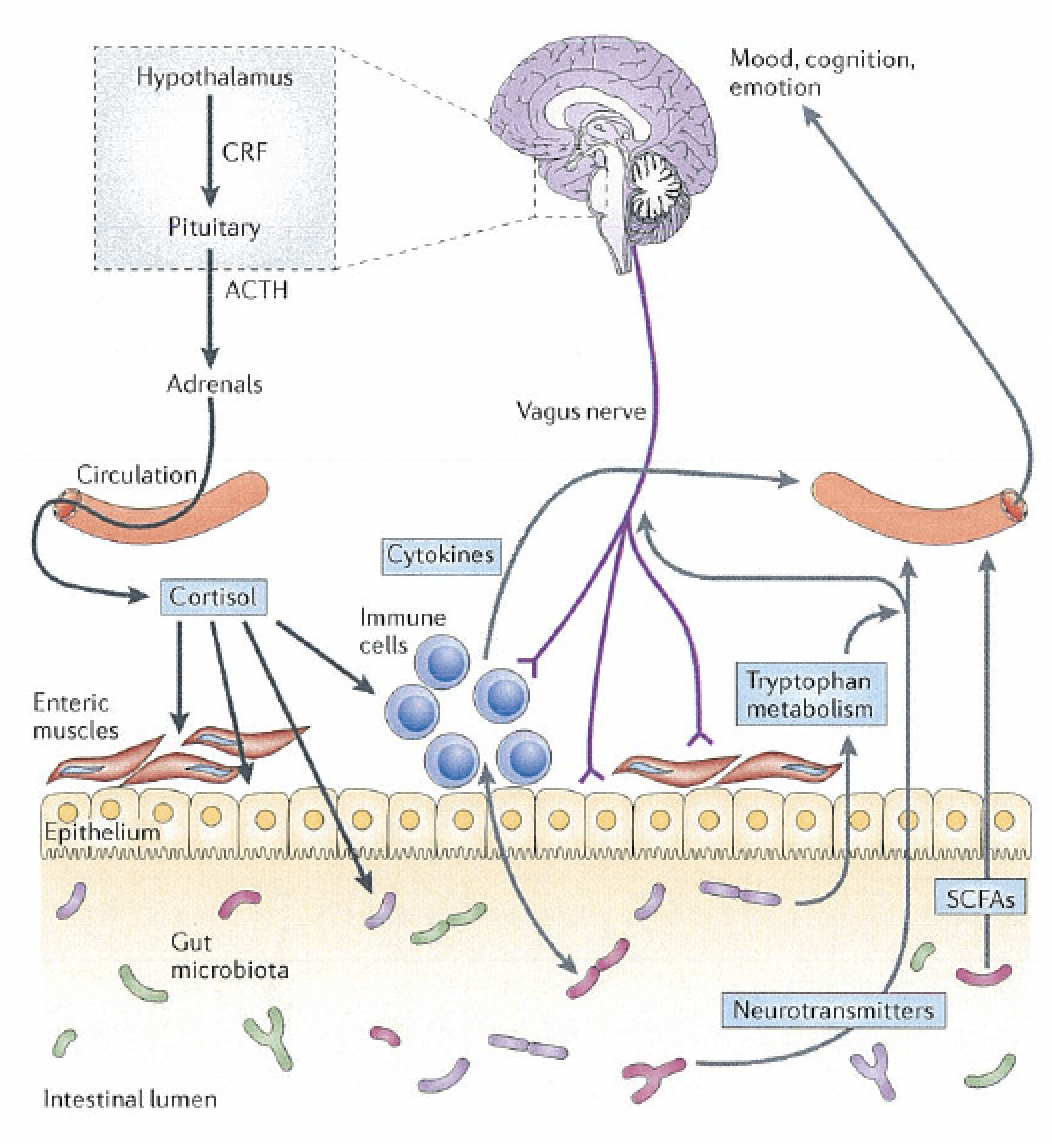
Yes, it's true!  Did you know the gut-brain axis provides a way of communicating both directions using signals, such as neurotransmitters, hormones and cytokines?  This means that your gut bugs actually talk to your brain to influence emotions.  Equally important the emotions you feel and neurotransmitters produced by the brain have a profound effect on the gut as well.  We know that dysfunction in this communication between gut and brain can lead to various diseases, including depression and anxiety.  Who knew that the composition of your gut microbes could play such a great role in your mood?  The next time you get angry at your spouse or are overcome with sadness making you want to curl up in bed you can simply say, "Don't blame me...It's my gut microbes's fault!"  and you may be right on target!
The human gut is populated by more than 100 trillion microbes, which means there is more bugs in your gut than cells in your body.   And the genetic material contained by microbes in your gut is 150X that of the genetic material from human origin.  Most experts agree we have more than 1000 different species in our gut and over 7000 different strains.  We know that as we are exposed to stress, chemicals, antibiotics, and toxins, the diversity of the microbiome decreases and we know that the less diverse or microbiome, the more susceptible we are to illness and disease.
A baby's colonization of the gut first occurs at birth with vaginal exposure to the mother's microflora.  Did you know that c-section baby's have gut microbes more akin to skin flora than gut flora after birth?  And some studies show that throughout the entirety of life, they may never regain the normal diversity of vaginally delivered infants.

These are just a few of the functions of these bugs residing in your gut:

  • Development of your immune system function
  • Assisting with bowel movements and gut motility
  • Maintaining intestinal cell barrier integrity (keeping the the good stuff in and the bad stuff out)
  • Aiding in digestion and absorption of specific vitamins and minerals
  • Controlling fat absorption and distribution
Screen Shot 2015-03-14 at 6.50.47 PM
Pathways involved in communication between the gut microbes and brain.

Microbes and Stress

What is increasingly clear is that there is bi-directional communication between our gut microbes influencing the central nervous system and brain... and the reverse; communication between our brain influencing microbial composition.   Did you know that stress affects the gut microbes, too?

These are the top 3 ways that chronic stress affects the gut:

  1. Increases the levels of inflammatory cytokines (IL-6, TNF-alpha) which can changes gut microbe populations.
  2. Increases permeability of the gut lining, which is linked to many autoimmune diseases  (Hashimoto's thyroiditis, lupus, rheumatoid arthritis, multiple sclerosis and many others).
  3. Allows bacteria to cross over into the bloodstream where the bacterial coating (LPS) can trigger an intense inflammatory response in the body.

So how do the gut microbes contribute to anxiety and depression?

Here are some of the mechanisms by which the gut microbes influence the brain and emotions:
  • Altered microbial composition: Both probiotic ("good guys") administration and harmful infectious bacteria ("bad guys") have both shown to have an effect on the brain and emotions.  One study showed supplementation with probiotics decreased anxiety.
  • Immune Activation:  Bacteria in the gut have been shown to activate the immune system and increase production of harmful pro-inflammatory cytokines.   There are many studies showing a link between increase in certain cytokines and depression (see below if you want to read more)
  • Vagus nerve:  This is one of the main controls of the parasympathetic system that calms our fight or flight response and allows our body to relax and feel calm.  Activation of the vagus nerve and release of acetyl-choline has been shown to have a profoundly calming and anti-inflammatory effect on the body.  Most of the effects of gut microbes on the brain and body have been shown to be dependent on vagal nerve activation.
  • Tryptophan metabolism:  Tryptophan is an extremely important amino acid and the raw material needed to make serotonin (think "the happy neurotransmitter") by the body.  There is a pathway, called the kynurinine pathway that involves metabolism of tryptophan and accounts for nearly 95% of the stores of tryptophan in the body.  In the case of pathogenic microbial infections in the gut (bacteria, yeast, or parasites) this pathway may be activated and "steal" from your body's tryptophan stores.  This leads to depletion of serotonin stores and may result in insomnia and depression.
  • Microbial metabolites:  Bacteria in the gut help produce bile acids and short chain fatty acids (SCFAs) which are essential for human physical and mental health.
  • Neurometabolites: Crazy but true... bacteria have the ability to produce many neurotransmitters and metabolites that have direct action on brain and thought.   Did you know studies show microbes can even influence your food cravings?!
  • Bacterial cell wall sugars:  Perhaps most fascinating of all, the outer coatings of bacteria contain sugar molecules that can directly signal immune and hormonal systems into action.  This is the mechanism thought to be responsible for the healthy effects of probiotics on the gut and brain.
The bottom line is there is a growing body of evidence that suggests gut microbes play a large role in regulation in behavior and brain chemistry and are relevant to development of depression and anxiety.

So perhaps the best antidepressant is a healthy whole food diet and a high potency probiotic to fuel a healthy gut microbiome!

Check out Part II - Six Simple Steps to Treat Depression

If you liked this post subscribe to my free newsletter today and receive a complimentary copy of Dr. Jill's Paleolicious Snack Ideas!

Further Reading:

08 February 2015

Is Mold Exposure The Cause of Your Symptoms?


Are you one of the many people unknowingly living or working in water damaged building? Did you know it may be dramatically affecting your health? It's estimated that indoor air pollutants, including mold and mycotoxins may be contributing to more than 50% of our patient's illnesses. Typically we think of smog, smoke, and outdoor pollution as detrimental to our health but indoor air quality may be an even bigger risk to your health. Many patients are unaware that a toxic home or workplace is contributing to their symptoms.

Exposure to water-damaged indoor environments is associated with exposure to molds. The most common types of mold that are found indoors include Cladosporium, Penicillium, Alternaria, and Aspergillus. Stachybotrys chartarum (sometimes referred to as "toxic black mold") is a greenish-black mold, which grows on household surfaces that have high cellulose content, such as wood, fiberboard, gypsum board, paper, dust, and lint and is usually an indicator that there has been elevated moisture present or previous water damage.

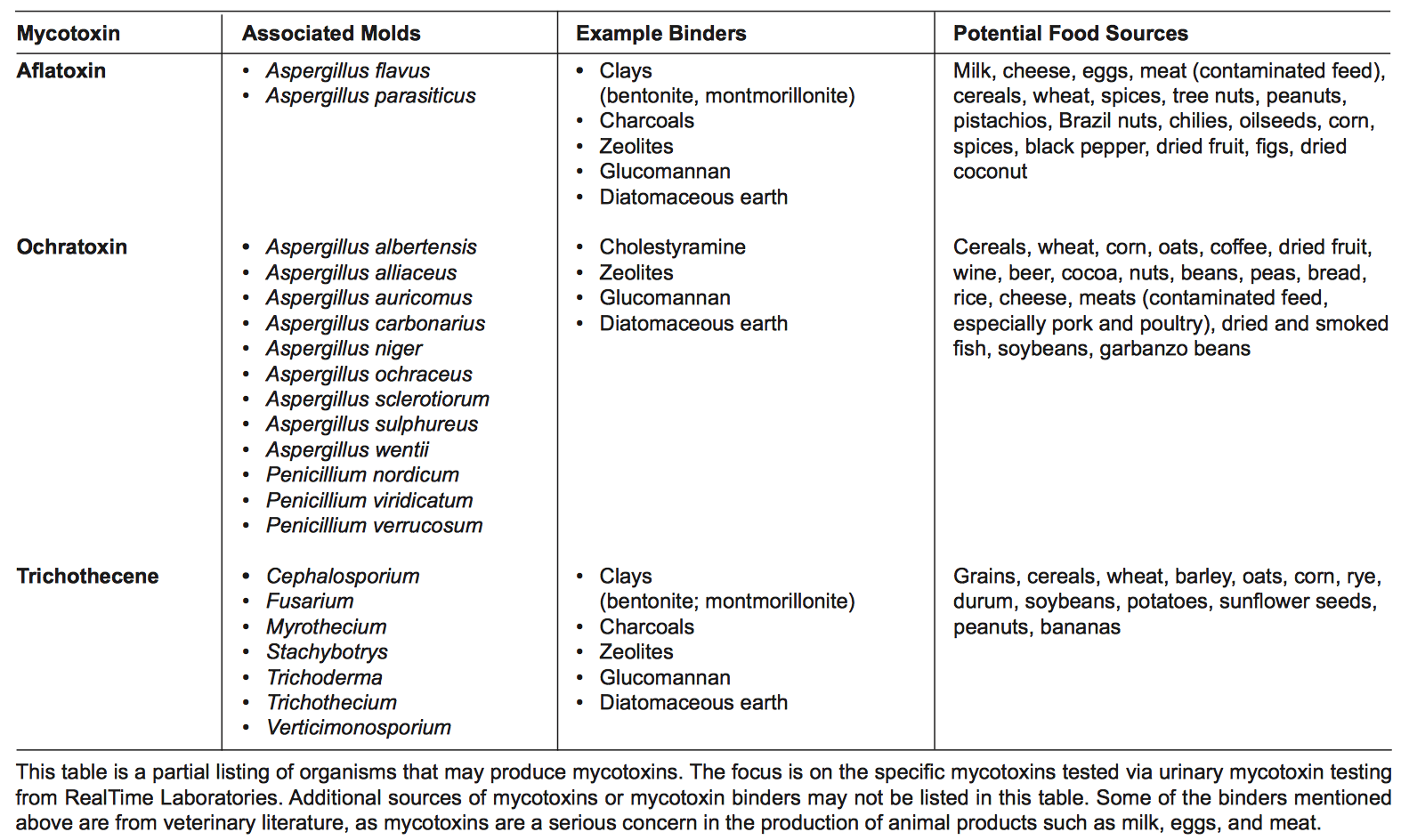
Some molds secrete mycotoxins, that can be measured in the urine, such as ochratoxin, aflatoxin, and trichothecenes. Exposure to mold and mold components is well known to trigger inflammation, allergies and asthma, oxidative stress, and immune dysfunction in both human and animal studies. Mold spores, fungal fragments, and mycotoxins can be measured in the indoor environments of moldy buildings and in humans who are exposed to these environments. Most of the time, we are exposed to molds, like stachybotrys, through the skin contact, through ingestion, and by inhalation. Most common are reports of exposure involve water-damaged homes, schools, office buildings, court houses, hospitals, and hotels. It's estimated that as many as 25% of buildings in the US have had some sort of water damage. Molds have the ability to produce various symptoms, such as skin rashes, respiratory distress, various types of inflammation, cognitive issues, neurological symptoms, and immune suppression. The most common symptoms associated with mold exposure are allergic rhinitis and new onset asthma.

How do you know if you've been exposed to mold or mycotoxins?

Top Symptoms Associated with Mycotoxin-Associated Illness:

  • Fatigue and weakness
  • Headache, light sensitivity
  • Poor memory, difficult word finding
  • Difficulty concentration
  • Morning stiffness, joint pain
  • Unusual skin sensations, tingling and numbness
  • Shortness of breath, sinus congestion or chronic cough
  • Appetite swings, body temperature regulation,
  • Increased urinary frequency or increased thirst
  • Red eyes, blurred vision, sweats, mood swings, sharp pains
  • Abdominal pain, diarrhea, bloating
  • Tearing, disorientation, metallic taste in mouth
  • Static shocks
  • Vertigo, feeling lightheaded

Checklist that might indicate mold exposure or mold sensitivity (from ECH website)

  • Do musty odors bother you?
  • Have you worked or lived in a building where the air vents or ceiling tiles were discolored?
  • Have you noticed water damage or discoloration elsewhere?
  • Has your home been flooded?
  • Have you had leaks in the roof?
  • Do you experience unusual shortness of breath?
  • Do you experience recurring sinus infections?
  • Do you experience recurring respiratory infections and coughing?
  • Do you have frequent flu-like symptoms?
  • Do your symptoms worsen on rainy days?
  • Do you have frequent headaches?
  • Are you fatigued and have a skin rashes?

How do I Treat Mold/mycotoxin Exposure?

  1. Remove yourself from the contaminated environment (don't even think about going on to other treatments until you get out of the contaminated environment)
  2. Avoid exposure to porous items (paper, clothing, etc) from the moldy environment.
  3. Use clay, charcoal, cholestyramine or other binders to bind internal mycotoxins
  4. While you are using binders, you must maintain normal bowel function and avoid constipation. You can add magnesium citrate, buffered C powder, or even gentle laxatives if needed but constipation is the enemy of detoxification!
  5. Treat colonizing molds/fungal infections in the body
  6. Common locations of colonization include sinuses, gut, bladder, vagina, lungs
  7. Test and treat for candida overgrowth - living in an environment with mold leads to immune dysregulation that allows candida to overgrow in the body
  8. Enhance detoxification support
    1. Some common supplements used to aid detox are liposomal glutathione, milk thistle, n-acetylcysteine, alpha lipoid acid, glycine, glutamine, and taurine. Methylation support is also key and involves optimal levels of methylcobalamin (B12), methyl-folate, B6, riboflavin, and minerals
  9. Invest in a high quality air filter and home and at work, like Austin Air or EL Faust
  10. Avoid common mycotoxin containing foods:
    1. Corn, wheat, barley, rye, peanuts, sorghum, cottonseed, some cheeses, and alcoholic beverages such as wine and beer. Others include oats, rice, tree nuts pistachios, brazil nuts, chiles, oil seeds, spices, black pepper, dried fruits, figs, coffee, cocoa, beans, bread.

Other Treatment Options

  • Follow Dr. Jill's Low Mold Diet - many patients to well on a paleo, grain-free diet since grains are often contaminated with mycotoxins and molds
  • Sublingual immunotherapy (SLIT)
  • Anti-fungal herbs and medications
  • Infared sauna
  • Detoxification support - oral and IV
  • Remediation procedures for environment and belongings
  • Create a "safe" place, with little potential for mold/allergens and great filtration system - this could be a bedroom or other room that is mold and chemical free
  • Some patients benefit from IV immunoglobulin therapy (IVIg)

Chart from article in Townsend Letter July 2014 that explains sources and binders for common mycotoxins:


More Helpful Resources:

  1. Guidance for Clinicians on the Recognition and Management of Health Effects Related to Mold Exposure and Moisture Indoors
  2. A Review of the Mechanism of Injury and Treatment Approaches for Illness Resulting from Exposure to Water-Damaged Buildings, Mold, and Mycotoxins
  3. Chronic Inflammatory Response Syndrome - Dr. Berndtson
  4. Slide Presentation on Mold Toxicity
  5. Paradigm Change - information on role of mold toxins in Chronic Neuroimmune Disease
  6. Real Time Labs - Urinary Mycotoxin Testing
  7. Fungal spore DNA detectible in tissue and body fluids of patients exposed to moldy buildings
  8. Stachybotrys chartarum: Review of Toxicology Literature