Showing posts with label allergies. Show all posts

08 February 2015

Is Mold Exposure The Cause of Your Symptoms?


Are you one of the many people unknowingly living or working in water damaged building? Did you know it may be dramatically affecting your health? It's estimated that indoor air pollutants, including mold and mycotoxins may be contributing to more than 50% of our patient's illnesses. Typically we think of smog, smoke, and outdoor pollution as detrimental to our health but indoor air quality may be an even bigger risk to your health. Many patients are unaware that a toxic home or workplace is contributing to their symptoms.

Exposure to water-damaged indoor environments is associated with exposure to molds. The most common types of mold that are found indoors include Cladosporium, Penicillium, Alternaria, and Aspergillus. Stachybotrys chartarum (sometimes referred to as "toxic black mold") is a greenish-black mold, which grows on household surfaces that have high cellulose content, such as wood, fiberboard, gypsum board, paper, dust, and lint and is usually an indicator that there has been elevated moisture present or previous water damage.

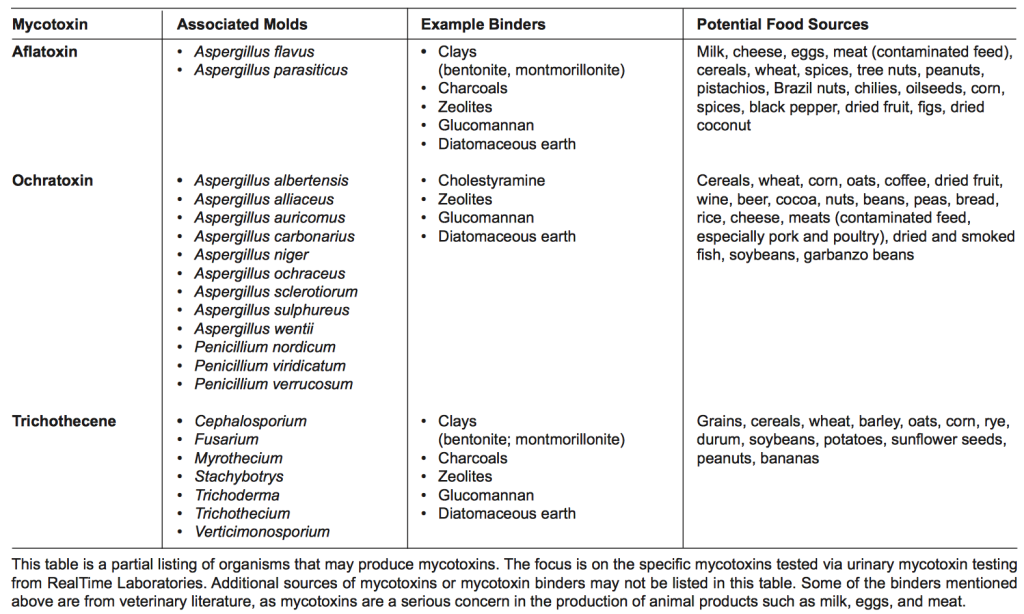
Some molds secrete mycotoxins, that can be measured in the urine, such as ochratoxin, aflatoxin, and trichothecenes. Exposure to mold and mold components is well known to trigger inflammation, allergies and asthma, oxidative stress, and immune dysfunction in both human and animal studies. Mold spores, fungal fragments, and mycotoxins can be measured in the indoor environments of moldy buildings and in humans who are exposed to these environments. Most of the time, we are exposed to molds, like stachybotrys, through the skin contact, through ingestion, and by inhalation. Most common are reports of exposure involve water-damaged homes, schools, office buildings, court houses, hospitals, and hotels. It's estimated that as many as 25% of buildings in the US have had some sort of water damage. Molds have the ability to produce various symptoms, such as skin rashes, respiratory distress, various types of inflammation, cognitive issues, neurological symptoms, and immune suppression. The most common symptoms associated with mold exposure are allergic rhinitis and new onset asthma.

How do you know if you've been exposed to mold or mycotoxins?

Top Symptoms Associated with Mycotoxin-Associated Illness:

  • Fatigue and weakness
  • Headache, light sensitivity
  • Poor memory, difficult word finding
  • Difficulty concentration
  • Morning stiffness, joint pain
  • Unusual skin sensations, tingling and numbness
  • Shortness of breath, sinus congestion or chronic cough
  • Appetite swings, body temperature regulation,
  • Increased urinary frequency or increased thirst
  • Red eyes, blurred vision, sweats, mood swings, sharp pains
  • Abdominal pain, diarrhea, bloating
  • Tearing, disorientation, metallic taste in mouth
  • Static shocks
  • Vertigo, feeling lightheaded

Checklist that might indicate mold exposure or mold sensitivity (from ECH website)

  • Do musty odors bother you?
  • Have you worked or lived in a building where the air vents or ceiling tiles were discolored?
  • Have you noticed water damage or discoloration elsewhere?
  • Has your home been flooded?
  • Have you had leaks in the roof?
  • Do you experience unusual shortness of breath?
  • Do you experience recurring sinus infections?
  • Do you experience recurring respiratory infections and coughing?
  • Do you have frequent flu-like symptoms?
  • Do your symptoms worsen on rainy days?
  • Do you have frequent headaches?
  • Are you fatigued and have a skin rashes?

How do I Treat Mold/mycotoxin Exposure?

  1. Remove yourself from the contaminated environment (don't even think about going on to other treatments until you get out of the contaminated environment)
  2. Avoid exposure to porous items (paper, clothing, etc) from the moldy environment.
  3. Use clay, charcoal, cholestyramine or other binders to bind internal mycotoxins
  4. While you are using binders, you must maintain normal bowel function and avoid constipation. You can add magnesium citrate, buffered C powder, or even gentle laxatives if needed but constipation is the enemy of detoxification!
  5. Treat colonizing molds/fungal infections in the body
  6. Common locations of colonization include sinuses, gut, bladder, vagina, lungs
  7. Test and treat for candida overgrowth - living in an environment with mold leads to immune dysregulation that allows candida to overgrow in the body
  8. Enhance detoxification support
    1. Some common supplements used to aid detox are liposomal glutathione, milk thistle, n-acetylcysteine, alpha lipoid acid, glycine, glutamine, and taurine. Methylation support is also key and involves optimal levels of methylcobalamin (B12), methyl-folate, B6, riboflavin, and minerals
  9. Invest in a high quality air filter and home and at work, like Austin Air or EL Faust
  10. Avoid common mycotoxin containing foods:
    1. Corn, wheat, barley, rye, peanuts, sorghum, cottonseed, some cheeses, and alcoholic beverages such as wine and beer. Others include oats, rice, tree nuts pistachios, brazil nuts, chiles, oil seeds, spices, black pepper, dried fruits, figs, coffee, cocoa, beans, bread.

Other Treatment Options

  • Follow Dr. Jill's Low Mold Diet - many patients to well on a paleo, grain-free diet since grains are often contaminated with mycotoxins and molds
  • Sublingual immunotherapy (SLIT)
  • Anti-fungal herbs and medications
  • Infared sauna
  • Detoxification support - oral and IV
  • Remediation procedures for environment and belongings
  • Create a "safe" place, with little potential for mold/allergens and great filtration system - this could be a bedroom or other room that is mold and chemical free
  • Some patients benefit from IV immunoglobulin therapy (IVIg)

Chart from article in Townsend Letter July 2014 that explains sources and binders for common mycotoxins:

More Helpful Resources:

  1. Guidance for Clinicians on the Recognition and Management of Health Effects Related to Mold Exposure and Moisture Indoors
  2. A Review of the Mechanism of Injury and Treatment Approaches for Illness Resulting from Exposure to Water-Damaged Buildings, Mold, and Mycotoxins
  3. Chronic Inflammatory Response Syndrome - Dr. Berndtson
  4. Slide Presentation on Mold Toxicity
  5. Paradigm Change - information on role of mold toxins in Chronic Neuroimmune Disease
  6. Real Time Labs - Urinary Mycotoxin Testing
  7. Fungal spore DNA detectible in tissue and body fluids of patients exposed to moldy buildings
  8. Stachybotrys chartarum: Review of Toxicology Literature

03 December 2013

Quick Tips to Decrease Allergen Exposure at Home


Photo Courtesy of www.freedigitalphotos.net

  1. Houseplants – Keep slightly dry to decrease mold growth.  Avoid placing them in the bedroom due to mold sensitizing
  2. Christmas trees - Unfortunately they grow mold quickly.  Use artificial instead of live trees if you have allergies.
  3. Nickel Allergy?  Use clear nail polish on the back of blue jean buttons to keep from skin exposure to nickel.  You may also paint the backs of jewelry such as earrings to protect your skin.
  4. Perfume – Avoid using commercial perfumes...many contain volatile organic compounds (VOCs) and other harmful ingredients.  Instead try applying essential oils to your neck & wrists.
  5. Candles & air fresheners – These may be as allergenic as cigarettes and they pollute the indoor air.  Try using natural essential oils, like peppermint, eucalyptus, or cinnamon or burn soy-based candles instead.
  6. Spices – Use caution with key offenders: coriander, poppy seeds, pepper, paprika, cumin, saffron
  7. Soaps and detergents – Choose those without phthalates, parabens and sodium laureate sulfate (SLS).  Check out EWG's guide to healthy cleaning products.
  8. Carpeting – Install hardwood flooring wherever possible and get rid of the carpet due to build up of dust mites and other allergens.
  9. Wall paint – Avoid volatile organic compounds in your air by using low VOC emitting paints
  10. Declutter  – Take a good look around the house and eliminate “dust catchers" like silk flowers, stuffed animals & knick-knacks. 
  11. Dry-cleaned clothes – Air them out outside with plastic off before bringing inside to let the chemicals off-gas.  Better yet use a green dry-cleaner, like Revolutionary Cleaners.
  12. HVAC filters – Change filters every 1-2 months minimum.  Install HEPA filters with higher allergen rating.  Switching frequently allows the filter to catch more allergens and prevent them from re-circulating.
Final word?  Love your pets but don't sleep with them if you have allergies...

Want more great content like this?  Sign up for my FREE Newsletter here!

14 July 2013

Zonulin & Leaky Gut: A discovery that changed the way we view inflammation, autoimmune disease and cancer!

An amazing discovery a few years ago revolutionized our ability to understand the gut and permeability and how this impacts a wide range of health conditions from cancer to autoimmune disease to inflammation and food sensitivities. 

This little molecule, zonulin, has quite a story...


Zonulin is the "doorway" to leaky gut

Zonulin opens up the spaces between the cells of the intestinal lining. That normally occurs, in order for nutrient and other molecules to get in and out of the intestine. However, when leaky gut is present, the spaces between the cells open up too much allowing larger protein molecules to get into the bloodstream where an immunologic reaction can take place. Once that happens, the body is primed to react to those proteins each and every time they appear.  It can also cause leakage of intestinal contents, like bacteria into the immune system creating inflammation and overloading the liver's ability to filter out this garbage.


Triggers that open the zonulin doorway

Based on Dr. Fasano's research, we know that the two most powerful triggers to open the zonulin door are gluten and gut bacteria in the small intestine.  Gliadin causes zonulin levels to increase both in those people who have celiac disease and those who do not.  As the zonulin level rises, the seal  between the intestinal cells diminishes, opening up spaces between cells that allow all sorts of things to pass right through.  This is called "leaky gut".  Its as if the security guard that keeps the bad guys out is taking a nap! Sometimes large food molecules will pass through to the immune system.  The immune system thinks they are foreign invaders and will mount an immune response leading to food sensitivities.  In addition this immune activation leads to more damage to the intestinal cells (called enterocytes) and the gut becomes more inflamed and more permeable or "leaky".  As the damage continues, the microvilli that line the intestines and absorb nutrients become damaged, leading to other nutrient deficiencies.  

Top causes of increased zonulin and development of leaky gut:

  1. Overgrowth of harmful organisms, like bacteria or yeast in the intestine 
    1. SIBO = small intestinal bacterial overgrowth
    2. Fungal dysbiosis or candida overgrowth
    3. Parasite infections
  2. Gliadin in the diet (gluten containing foods)
Gliadin is a protein in wheat, that like gluten, is a trigger for people with celiac disease. However, a study published in the Scandiavian Journal of Gastroenterology in 2006 clearly showed that gliadin can affect zonulin even in people without the gene for celiac. The researchers concluded that
Based on our results, we concluded that gliadin activates zonulin signaling irrespective of the genetic expression of autoimmunity, leading to increased intestinal permeability to macromolecules.
The significance of this is that gluten affects intestinal permeability in all persons to different extents.  It also means that 100% of patients with autoimmune disease or leaky gut could potentially benefit from a gluten-free diet.

Elevated zonulin levels and leaky gut are also associated with the following:

  1. Crohn's disease
  2. Type 1 Diabetes
  3. Multiple Sclerosis
  4. Asthma
  5. Glioma
  6. Inflammatory Bowel Disease
In conclusion the article states: 
Genetic predisposition, miscommunication between innate and adaptive immunity, exposure to environmental triggers, and loss of intestinal barrier function secondary to the activation of the zonulin pathway by food-derived environmental triggers or changes in gut microbiota all seem to be key ingredients involved in the pathogenesis of inflammation, autoimmunity, and cancer. This new theory implies that [once this path is activated] it can be... reversed by preventing the continuous interplay between genes and the environment.

Zonulin and Its Regulation of Intestinal Barrier Function: The Biological Door to Inflammation, Autoimmunity, and Cancer


Alessio Fasano

Abstract:
The primary functions of the gastrointestinal tract have traditionally been perceived to be limited to the digestion and absorption of nutrients and to electrolytes and water homeostasis. A more attentive analysis of the anatomic and functional arrangement of the gastrointestinal tract, however, suggests that another extremely important function of this organ is its ability to regulate the trafficking of macromolecules between the environment and the host through a barrier mechanism. Together with the gut-associated lymphoid tissue and the neuroendocrine network, the intestinal epithelial barrier, with its intercellular tight junctions, controls the equilibrium between tolerance and immunity to non-self antigens. Zonulin is the only physiological modulator of intercellular tight junctions described so far that is involved in trafficking of macromolecules and, therefore, in tolerance/immune response balance. When the finely tuned zonulin pathway is deregulated in genetically susceptible individuals, both intestinal and extraintestinal autoimmune, inflammatory, and neoplastic disorders can occur. This new paradigm subverts traditional theories underlying the development of these diseases and suggests that these processes can be arrested if the interplay between genes and environmental triggers is prevented by reestablishing the zonulin-dependent intestinal barrier function. This review is timely given the increased interest in the role of a “leaky gut” in the pathogenesis of several pathological conditions targeting both the intestine and extraintestinal organs.

02 March 2013

The Gut Immune System Connection - An Animated Video

The gut mucosa connects with the largest population of immune cells in the body!  Is it any wonder that in functional medicine we assess your gut function as one of the initial steps in cases of allergies, asthma, autoimmune disease, eczema, crohn's disease, ulcerative colitis, IBS, celiac disease, arthritis and more?  

It’s often the first point of exposure to pathogens.   Many microbes use it as a entry point into the rest of the body. The gut immune system therefore needs to be ready to respond to pathogens but at the same time it is constantly exposed to harmless environmental antigens, food particles and commensal microflora which need to be tolerated. Misdirected immune responses to harmless antigens are the underlying cause of food allergies and debilitating conditions such as inflammatory bowel disease. This animation introduces the key cells and molecular players involved in gut immune connection and disease.


By checking your gut's microbial environment and taking a functional medicine approach to health and wellness, we can actually modulate some of the underlying immune dysregulation and eliminate your symptoms!

Nature Immunology homepage: http://www.nature.com/ni/index.html

03 January 2013

Healthy Gut = Healthy You!

There is a microbial zoo living inside you, literally trillions of microscopic organisms―more than 10,000 different kinds of them―all co-existing with each other and you.

In fact they outnumber you ten to one and ninety percent of the genetic material, (DNA and RNA) in your body is not yours, it belongs to the bacteria that is located mostly in your gut, but some also live on your skin and even in your nose.

Exactly what those different life forms do has been the subject of some exciting research in recent years, and while a few of these organisms can sometimes wreak havoc with your system, the majority of these little "bugs" are good, helping you digest your food, stay protected from infections, and even keeping your immune system properly regulated to fend off autoimmune diseases like asthma, allergies, and diabetes.

The community of microbes living on and in your body is unique to you – like your fingerprints – and is now being regarded as a key contributor to your overall health.

More and more, science is finding that teeny tiny creatures living in your gut are there for a definite purpose. Known as your microbiome, about 100 trillion of these cells populate your body, particularly your intestines and other parts of your digestive system.

Although some of these bacteria can make you sick, the majority are good, and they work together as to aid your digestive system and keep you well. Beneficial bacteria, better known as probiotics, along with a host of other microorganisms, are so crucial to your health that researchers have compared them to "a newly recognized organ." We now know that your microflora influence your:
  • Immune system function
  • Brain development, mental health, and memory
  • Obesity
  • Genetic expression 
  • Risk of diseases, including autoimmune disease, cancer, diabetes, and autism
According to the featured article in Time Magazine:
"Our surprisingly complex internal ecology has been a hot topic in medicine lately. Initiatives such as the Human Microbiome Project, an extension of the Human Genome Project, have been working tirelessly to probe potential links between the human microbiota and human health, and to construct strategies for manipulating the bacteria so that they work with us rather than against us.

...They've been linked to a range of nasty conditions, including obesity, arthritis, and high cholesterol. Now, two newer areas of research are pushing the field even further, looking at the possible gut bug link to a pair of very different conditions: autism and irritable bowel disease."
Most people, including many physicians, do not realize that 80 percent of your immune system is located in your digestive tract, making a healthy gut a major focal point in your efforts to achieve optimal health. In fact, the root of many health problems is related to an imbalance of intestinal bacteria.  

The beneficial bacteria in your gut has actually been found to help prevent allergies by training your immune system to distinguish between pathogens and non-harmful antigens and respond appropriately – and this may be one reason why they also appear so beneficial in conditions like allergies, asthma, and eczema

 Like it or not, the bugs in your gut have a lot to say about your health!  This is why I frequently test patients gut function for common complaints such as fatigue, migraines, mood disorders, depression, anxiety or insomnia, ecezma, allergies, asthma, autism, and even trouble with concentration & memory.  Getting the gut bugs back into proper balance is critical to your overall health and especially the health of your immune system.  The simplest way to jump start your overall health is pay attention to the gut...  Eliminate sugar and refined flours from your diet and add a high dose probiotic to you regimen.  You'll be well on your way to a happy and helpful intestinal "zoo"!

http://www.health.harvard.edu/healthbeat/the-gut-brain-connection
http://www.mercola.com/
http://www.metametrix.com/test-menu/profiles/gastrointestinal-function/dna-stool-analysis-gi-effects
https://wsunews.wsu.edu/pages/publications.asp?Action=Detail&PublicationID=32253&TypeID=1