Showing posts with label candida treatment. Show all posts

08 February 2015

Is Mold Exposure The Cause of Your Symptoms?


Are you one of the many people unknowingly living or working in water damaged building? Did you know it may be dramatically affecting your health? It's estimated that indoor air pollutants, including mold and mycotoxins may be contributing to more than 50% of our patient's illnesses. Typically we think of smog, smoke, and outdoor pollution as detrimental to our health but indoor air quality may be an even bigger risk to your health. Many patients are unaware that a toxic home or workplace is contributing to their symptoms.

Exposure to water-damaged indoor environments is associated with exposure to molds. The most common types of mold that are found indoors include Cladosporium, Penicillium, Alternaria, and Aspergillus. Stachybotrys chartarum (sometimes referred to as "toxic black mold") is a greenish-black mold, which grows on household surfaces that have high cellulose content, such as wood, fiberboard, gypsum board, paper, dust, and lint and is usually an indicator that there has been elevated moisture present or previous water damage.

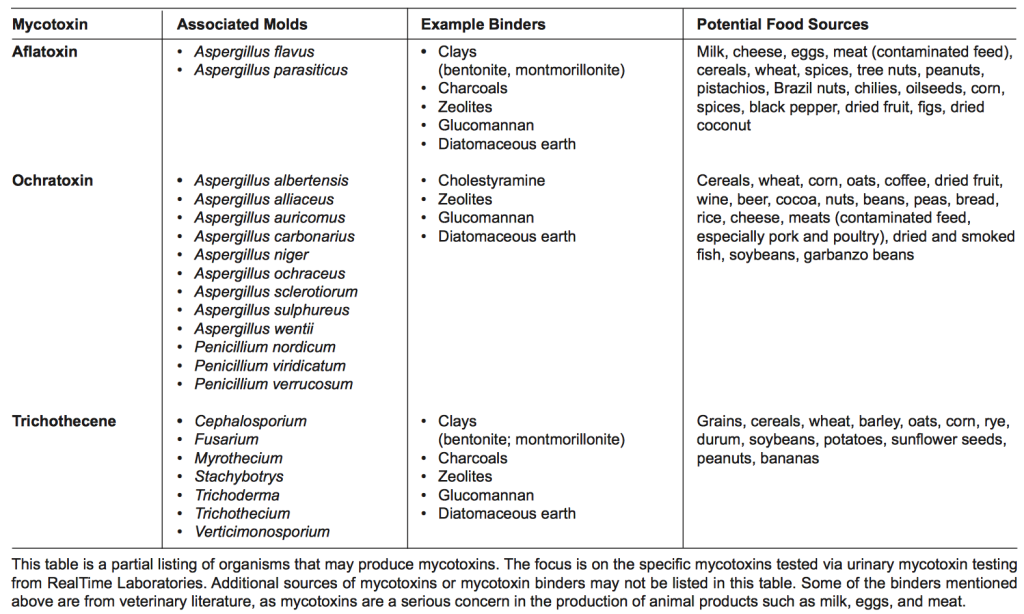
Some molds secrete mycotoxins, that can be measured in the urine, such as ochratoxin, aflatoxin, and trichothecenes. Exposure to mold and mold components is well known to trigger inflammation, allergies and asthma, oxidative stress, and immune dysfunction in both human and animal studies. Mold spores, fungal fragments, and mycotoxins can be measured in the indoor environments of moldy buildings and in humans who are exposed to these environments. Most of the time, we are exposed to molds, like stachybotrys, through the skin contact, through ingestion, and by inhalation. Most common are reports of exposure involve water-damaged homes, schools, office buildings, court houses, hospitals, and hotels. It's estimated that as many as 25% of buildings in the US have had some sort of water damage. Molds have the ability to produce various symptoms, such as skin rashes, respiratory distress, various types of inflammation, cognitive issues, neurological symptoms, and immune suppression. The most common symptoms associated with mold exposure are allergic rhinitis and new onset asthma.

How do you know if you've been exposed to mold or mycotoxins?

Top Symptoms Associated with Mycotoxin-Associated Illness:

  • Fatigue and weakness
  • Headache, light sensitivity
  • Poor memory, difficult word finding
  • Difficulty concentration
  • Morning stiffness, joint pain
  • Unusual skin sensations, tingling and numbness
  • Shortness of breath, sinus congestion or chronic cough
  • Appetite swings, body temperature regulation,
  • Increased urinary frequency or increased thirst
  • Red eyes, blurred vision, sweats, mood swings, sharp pains
  • Abdominal pain, diarrhea, bloating
  • Tearing, disorientation, metallic taste in mouth
  • Static shocks
  • Vertigo, feeling lightheaded

Checklist that might indicate mold exposure or mold sensitivity (from ECH website)

  • Do musty odors bother you?
  • Have you worked or lived in a building where the air vents or ceiling tiles were discolored?
  • Have you noticed water damage or discoloration elsewhere?
  • Has your home been flooded?
  • Have you had leaks in the roof?
  • Do you experience unusual shortness of breath?
  • Do you experience recurring sinus infections?
  • Do you experience recurring respiratory infections and coughing?
  • Do you have frequent flu-like symptoms?
  • Do your symptoms worsen on rainy days?
  • Do you have frequent headaches?
  • Are you fatigued and have a skin rashes?

How do I Treat Mold/mycotoxin Exposure?

  1. Remove yourself from the contaminated environment (don't even think about going on to other treatments until you get out of the contaminated environment)
  2. Avoid exposure to porous items (paper, clothing, etc) from the moldy environment.
  3. Use clay, charcoal, cholestyramine or other binders to bind internal mycotoxins
  4. While you are using binders, you must maintain normal bowel function and avoid constipation. You can add magnesium citrate, buffered C powder, or even gentle laxatives if needed but constipation is the enemy of detoxification!
  5. Treat colonizing molds/fungal infections in the body
  6. Common locations of colonization include sinuses, gut, bladder, vagina, lungs
  7. Test and treat for candida overgrowth - living in an environment with mold leads to immune dysregulation that allows candida to overgrow in the body
  8. Enhance detoxification support
    1. Some common supplements used to aid detox are liposomal glutathione, milk thistle, n-acetylcysteine, alpha lipoid acid, glycine, glutamine, and taurine. Methylation support is also key and involves optimal levels of methylcobalamin (B12), methyl-folate, B6, riboflavin, and minerals
  9. Invest in a high quality air filter and home and at work, like Austin Air or EL Faust
  10. Avoid common mycotoxin containing foods:
    1. Corn, wheat, barley, rye, peanuts, sorghum, cottonseed, some cheeses, and alcoholic beverages such as wine and beer. Others include oats, rice, tree nuts pistachios, brazil nuts, chiles, oil seeds, spices, black pepper, dried fruits, figs, coffee, cocoa, beans, bread.

Other Treatment Options

  • Follow Dr. Jill's Low Mold Diet - many patients to well on a paleo, grain-free diet since grains are often contaminated with mycotoxins and molds
  • Sublingual immunotherapy (SLIT)
  • Anti-fungal herbs and medications
  • Infared sauna
  • Detoxification support - oral and IV
  • Remediation procedures for environment and belongings
  • Create a "safe" place, with little potential for mold/allergens and great filtration system - this could be a bedroom or other room that is mold and chemical free
  • Some patients benefit from IV immunoglobulin therapy (IVIg)

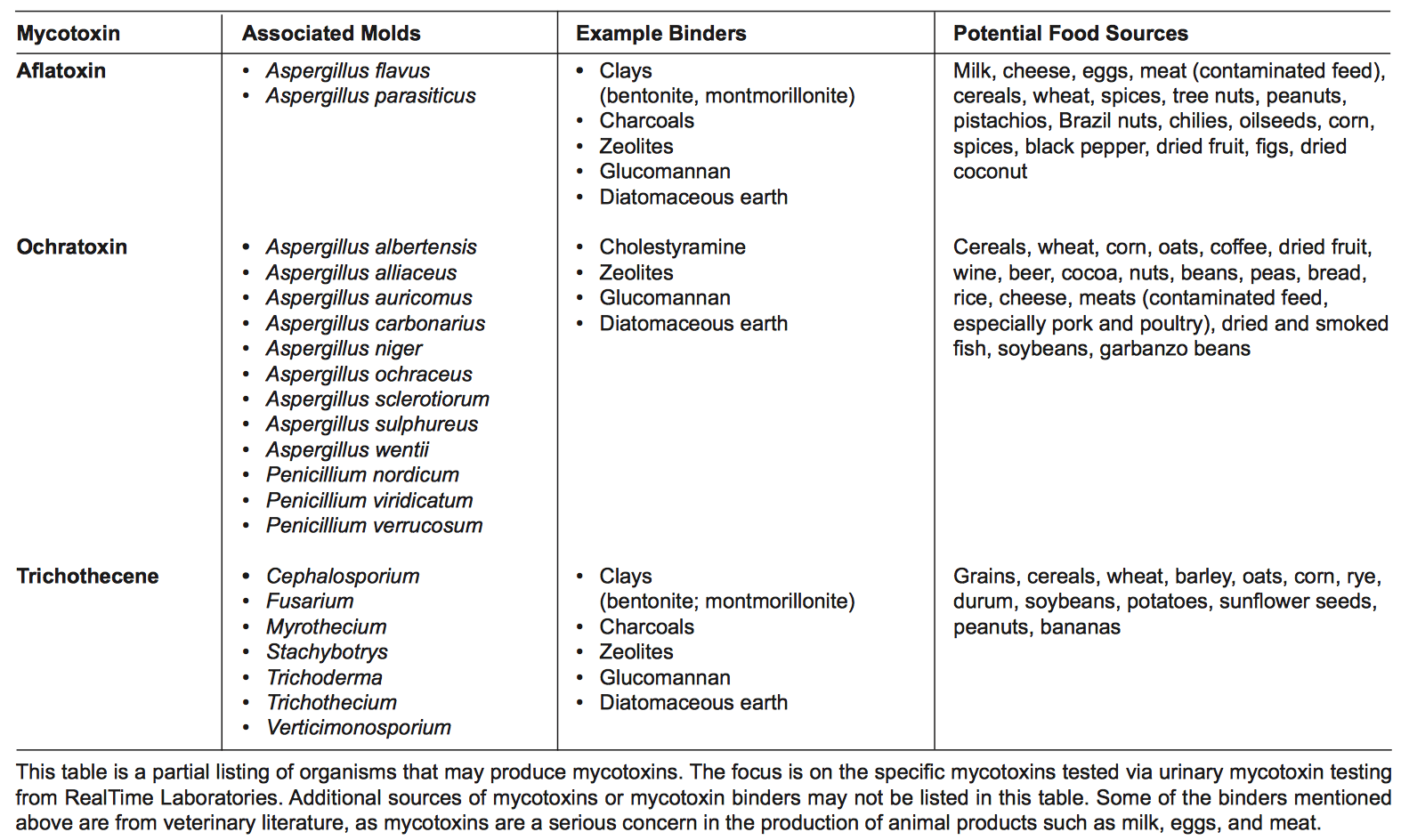
Chart from article in Townsend Letter July 2014 that explains sources and binders for common mycotoxins:

More Helpful Resources:

  1. Guidance for Clinicians on the Recognition and Management of Health Effects Related to Mold Exposure and Moisture Indoors
  2. A Review of the Mechanism of Injury and Treatment Approaches for Illness Resulting from Exposure to Water-Damaged Buildings, Mold, and Mycotoxins
  3. Chronic Inflammatory Response Syndrome - Dr. Berndtson
  4. Slide Presentation on Mold Toxicity
  5. Paradigm Change - information on role of mold toxins in Chronic Neuroimmune Disease
  6. Real Time Labs - Urinary Mycotoxin Testing
  7. Fungal spore DNA detectible in tissue and body fluids of patients exposed to moldy buildings
  8. Stachybotrys chartarum: Review of Toxicology Literature

31 August 2014

The Hidden Epidemic... Is Yeast Overgrowth Destroying Your Health?

Did you know your gut microbes could be dramatically affecting your health?

Hey guys! ...this is not just for women.  Men, too, commonly suffer from intestinal yeast overgrowth or fungal dysbiosis!

Every day we see new research on the effects of unhealthy gut organisms on the brain, the thyroid gland, the nervous system, the immune system, and the heart and vascular system.  In functional medicine, this is one reason we focus so intently on helping our patients heal their gut and thrive.  Without a healthy bacterial population in the colon, it’s nearly impossible to experience the optimal health we all desire.
Many people are unknowingly fighting a battle against a single-cell fungus in the gut.  Its name is Candida Albicans, although in recent years there has been an increase in non-albicans species of yeast.  Candida is a normal organism that is part of our skin flora, intestinal microbes, and for women, vaginal flora.  Men, this doesn't mean you can't harbor yeast as well!   This seemingly benign player can become hostile if the environment is right.  High intake of refined carbohydrates and sugar, frequent antibiotic or prednisone use, hormones and birth control pills and other medications give the yeast an advantage over the normal protective bugs, like lactobacillus, so that it flourishes.  It has the ability to take over and becomes invasive leading to a host of unwanted symptoms.  Sadly, many conventional physicians do not recognize that the gut can be a reservoir of these fungal organisms.   If you have ever experienced vaginal yeast infections, rectal irritation, white coating on your tongue called thrush, or any fungal skin or nail infections, like onychomycosis, you may also have a large number of these buggers living in your gastrointestinal tract.

I crave sweets and carbs all the time…

One of the most important things that I notice with patients who have fungal dysbiosis is the feeling of being tired and “run down” all the time with intense cravings for sugar or carbohydrates. Many patients don’t believe me when I tell them that if their gut is healthy, they will get to the point of having no food cravings at all!  It’s really true!  And if you are still experiencing intense, uncontrollable cravings, binge eating, or other issues in a love-hate relationship with sugar and refined carbohydrates, you can bet there is a problem with your gut microbes!

Take this quiz to find out if YOU have a problem!

These are common symptoms that may occur with yeast overgrowth in the gut.  Keep in mind, these are not specific to yeast alone, but if you experience them on a regular basis you are likely to have a real problem with fungal dysbiosis, or yeast overgrowth.
 Give yourself 1 point for every one of these symptoms you experience regularly:
  • Weight gain
  • Difficulty losing weight
  • Premenstrual symptoms
  • Fatigue
  • Muscle pain/fibromyalgia
  • Poor focus/concentration
  • Brain fog
  • Irritable
  • Depression
  • Anxiety
  • Headaches or migraines
  • Cravings for sugar or carbohydrates
  • Drowsy after meals
  • Constipation
  • Diarrhea
  • Gas and bloating
  • Rectal itching
  • Vaginal discomfort or burning
  • Low libido
  • Joint pain
  • Crying spells
  • Dizziness or light-headedness
  • Sinus pressure/congestion
  • Trouble sleeping
  • Halitosis (bad breath)
  • Body odor
  • Frequent sore throat
  • Coughing/wheezing/shortness of breath
Scoring
  • > 8 – You may have intestinal dysbiosis
  • > 14 – It is likely you have an issue with intestinal dysbiosis, which could include yeast overgrowth
  • > 20 – It is almost certain that you have fungal dysbiosis or yeast overgrowth

Fungal Dysbiosis and Leaky Gut Syndrome

If yeast becomes dominant in the gut, it may take over and overwhelm the good bacteria.  This is called Fungal Dysbiosis.  The situation becomes dire when yeast or abnormal gut microbes proliferate and dysbiosis occurs.  The problems start when yeast changes from a benign one cell organism to the more invasive hyphe form.  These forms can secrete enzymes, like proteases and phosopholipases that break down cell membranes and contribute to intestinal permeability or “leaky gut”.  As the gut becomes more permeable, toxic metabolites, such as acetaldehyde, leak into the blood stream and cause symptoms such as brain fog, fatigue, or depression.  Did you know that this chemical yeast produces can make you feel hungover?  Alcohol, when metabolized by the liver, also produces acetaldehyde which causes that "hangover" feeling.  The yeast bugs also drive cravings for the very foods that allow them to survive –sugar, refined carbohydrates and sometimes fermented foods or alcohol.  I’m always amazed by the number of people who were struggle with alcohol craving or addiction that have yeast overgrowth in their gut.  In addition to the toxic materials that leak into the blood stream, partially digested food may also leak through the lining of the gut and create food sensitivities.  Many people with chronic yeast overgrowth will experience sensitivities to common foods, like gluten, dairy, sugar, corn, and soy and may even experience improvement in symptoms when they go on an elimination diet.  Yeast also produces more than one-hundred other toxins that may leak into the blood stream and affect thyroid and hormone function, brain function and even neurotransmitter production.

Fungal Dysbiosis and the Connection with Autoimmune Diseases

This invasion and consequent problem of a leaky gut may also trigger the immune system to become confused in a process called “molecular mimicry” when the bacteria or yeast in the gut or cross over where they don’t belong into the blood stream and trigger creation of antibodies by the immune system.  These antibodies may cross-react to joint tissue, skin, thyroid, or even brain and create autoimmune diseases.  It is very common to see some of the following autoimmune conditions occur in someone with fungal dysbiosis:
  • Psoriasis
  • Rheumatoid arthritis
  • Hashimoto’s thyroiditis
  • Crohn’s disease
  • Ulcerative Colitis
  • Celiac Disease
  • Meniere’s disease
  • Raynaud’s disease
  • Lupus

 So What Causese Fungal Dysbiois?

Here are some of the most common factors that upset the balance of gut microbes and contribute to yeast overgrowth or fungal dysbiosis
  • Chronic stress, which impacts your immune system, also contributes to yeast overgrowth
  • Diabetes (due to abnormal blood sugar)
  • Pregnancy (due to change in hormone levels)
  • Eating too much sugar and too many grains. Sugar is the main fuel for yeast.
  • Taking antibiotics, which kill both your good and bad bacteria.
  • Exposure to environmental toxins, which can lower your immune system’s ability to keep yeast in check.  Mercury is especially problematic with yeast overgrowth
  • Taking other medications, such as birth control pills and steroids, which are both known to increase yeast

How Does My Doctor Diagnose Fungal Dysbiosis?

Well, the first step is finding a functional medicine trained physician or naturopath who understands the importance of having a healthy gut microbiome.  There are many physicians who understand vaginal yeast infections or the more severe systemic candidiasis, where candida enters the blood stream and can be life threatening but ignore the possibility that you could have too many yeast bugs living in your gut.  Even when we are looking for a problem it can often be hard to detect.  I commonly use a combination of clinical history and symptoms and the following lab tests:
  1. Serum Candida antibiodies (IgG, IgM, IgA)
  2. Organic Acids in urine, such as Arabinose
  3. Comprehensive Digestive Stool analysis for candida culture and sensitivity
By combining a patient’s symptoms with the testing above, it becomes relatively easy to determine if a patient has fungal dysbiosis or not.  Other red flags are someone with  inflammatory bowel disorder or other bacterial dysbiosis, such as SIBO (small intestinal bacterial overgrowth) as the two can co-exsist.

So Tell Me How to Get Rid of it!

1. DIET

The most important starting point is diet.  In fact, I frequently tell patients that no amount of anti-fungal drugs or herbal medications can overcome a high sugar, high carbohydrate diet.  In order to eradicate the yeast, one must do the following:
  1. Eat a diversified, whole foods (in as natural and fresh a state as possible) diet, emphasizing non-starchy vegetables, proteins, like fish, organic chicken, turkey, lamb, wild game and organic grass-fed beef.  Healthy oils, like coconut, grape seed and olive are also essential. Include pastured ghee or butter as well for a rich source of Vitamin K and other fat-soluble vitamins
  2. Chose organic, free-range meat and be sure they do not contain added growth hormones or antibiotics.  I advise all patients to avoid cow’s dairy due to lactose content, which is a sugar that yeast likes.
  3. Avoid all foods that feed the yeast!  That would include all forms of sugar (honey, molasses, maple syrup, agave, xylitol, and artificial sweeteners, like aspartame, splenda)
  4. Avoid all dried fruits and fruit juices.  Stevia may be used to sweeten teas and beverages.
  5. You may need to eliminate fruit in the beginning or at least stick to no more than one serving of low-glycemic fruit per day – best bets are berries, green apples, or citrus.
  6. Eliminate any allergenic foods – these commonly include gluten, dairy, egg, soy, corn, and cane sugar
  7. You should also eliminate the following: alcohol; vinegar (and anything containing vinegar, like salad dressing and sauces); all bread (which contains yeast); high starchy vegetables, like carrots, potatoes and beets; peanuts and corn (due to high mold content); mushrooms (fungus); and aged or moldy foods, like blue cheese.
  8. Drink plenty of purified water daily.  If you are feeling dizzy, add some electrolytes (ElectroMix or Elyte Sport) to your morning water.
  9. Get some form of daily exercise (walking, hiking, yoga, bicycling). Pick an activity you enjoy and try to get in 30-40min every day.
  10. Make time for rest and relaxation.  Epson salt baths can be especially helpful for the yeast die-off symptoms.  Use 2-3 cups of salt in warm bath and soak 20min.

2. AVOID ANTIBIOTICS

3. DECREASE STRESSORS

4. IDENTIFY AND ELIMINATE FOOD ALLERGIES

5. TAKE A PROBIOTIC!  (my favorite is Klaire Labs Detox Support, which you can order here)

6. TREAT ANY DIGESTIVE IMBALANCES (like insufficient pancreatic enzyme production or low stomach acid)

7. MEDICATIONS

  • Fluconazole
  • Itraconazole
  • Nystatin
  • Compounded Oral amphotericin B

8. HERBAL REMEDIES

  • Caprylic Acid
  • Undecylenic acid
  • Berberine
  • Garlic (Allicin)
  • Oil of Oregano
  • Olive Leaf Extract
  • Pau D-Arco
  • Grape Seed Extract

9. OTHER ESSENTIAL NUTRIENTS

  • Vitamin D
  • Vitamin A
  • Biotin
  • Essential Fatty acids
  • Probiotics
  • Pantethine
  • l-Glutamine
  • Coenzyme Q10
  • Magnesium

Want more great content like this?  Sign up for my FREE Newsletter here!